Buyers can compare jewelry surface finish only by identifying the target surface, reference sample and appropriate observation or measurement method.
For OEM and wholesale orders, define the product, inspection scope and evidence before paying for tools or approving bulk manufacture. The same appearance can be produced using different components and processes, so a photograph alone rarely protects the buyer from hidden variation.
Finish map
Label high polish, satin, brushed and sandblasted areas on a drawing. One product may require several different finish specifications.
Direction matters
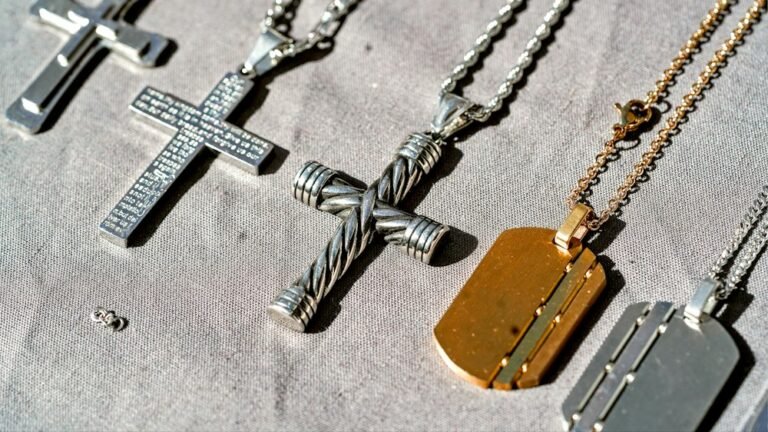
For brushed pieces, record brush direction and transition boundaries. A rotated direction can create a visible mismatch even if a roughness number matches.
Inspection tools
Visual references and consistent lighting often suit appearance checks; contact or optical measurement requires suitable geometry and a defined parameter.
Supplier feedback
Describe defects by location, effect and image rather than writing subjective notes such as ‘make it more premium’.

What roughness measurements do not capture
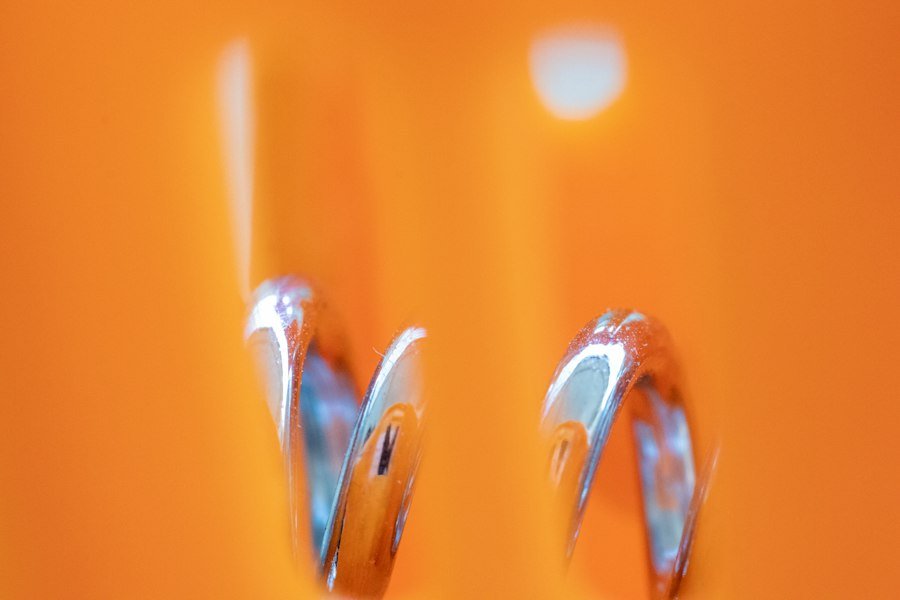
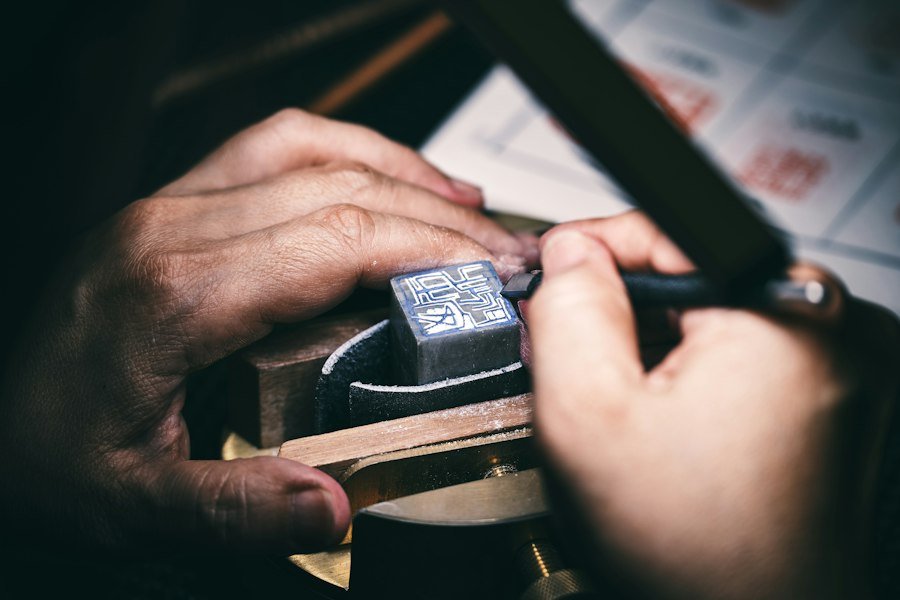
Agree on the exact target surface and the direction of any brushed grain. Curvature and measurement access influence instrument selection. A numerical roughness value alone does not describe gloss, scratch visibility or directional texture; retain a master physical finish reference.
Practical buyer approval checklist
- Identify the SKU and the exact component or feature being evaluated.
- Attach photographs, drawings and a dated physical reference.
- Define the observation or test conditions and a clear accept/reject decision.
- Confirm the supplier’s corrective action process and reinspection trigger.
- Keep a signed version with the purchase order and repeat-order file.
Common mistakes to avoid
Do not substitute general marketing labels such as “premium,” “waterproof,” or “hypoallergenic” for a testable specification. Equally, do not assume a result obtained for one sample automatically represents every later production lot. Where a technical claim is material, use a specified method, representative samples and competent test evidence. A buying checklist supports communication but does not replace applicable laws or laboratory testing.
FAQ
Can the same roughness specification describe brushed and mirror finishes?
Usually not. They need distinct visual and, where relevant, instrumental criteria.
Can one approved sample cover the entire order?
No. It confirms a design reference, while incoming component checks, process controls and finished-lot inspections address manufacturing variation.
Should buyers set one universal tolerance?
No. Tolerances depend on geometry, function, intended use and measurement capability; agree them for each meaningful feature.
What evidence should the factory provide before dispatch?
Request the approved revision, lot references, relevant inspection results, representative photographs and a record of any accepted deviations.
Related buyer resources
Sample approval · Jewelry RFQ · Supplier material bill
Further reference sources
For regulatory and test context, consult European Chemicals Agency REACH, European Commission product safety and the ISO standards catalogue. Confirm the precise standard edition and legal requirements for your sales market before relying on a claim.
Need a custom stainless steel jewelry specification? Send Yleryler your drawing, reference photos, planned order volume, finish and target market for a review of manufacturability and sample requirements.