A useful jewelry RFQ names the exact product, steel grade, finish, quantity, dimensions, branding and delivery requirements before asking a factory for a price. This guide is intended for brand owners, importers and wholesale purchasing teams developing specifications for OEM or ODM stainless steel jewelry. It provides an actionable purchasing framework rather than a substitute for product-specific engineering review or laboratory testing.
Why RFQ completeness and commercial comparability matters
Wholesale jewelry programs often combine several finishes, measurements and component sources. A useful specification therefore defines the product at the level where mistakes can actually occur, rather than relying on appearance alone. The buyer and manufacturer should agree on an objective checkpoint and preserve evidence that can be reviewed when a later shipment differs.
1. Define the commercial unit
A ring priced per piece is different from a pair of earrings, and a necklace quote may or may not include its chain. Record the unit of sale, SKU, variants, sample quantity and expected reorder pattern so offers remain comparable.
Start a structured RFQ with a SKU table covering jewelry category, finish, sizes and forecast volume. A factory should not have to infer whether a quoted necklace includes its clasp, chain and logo plate.
2. Lock the material and finish
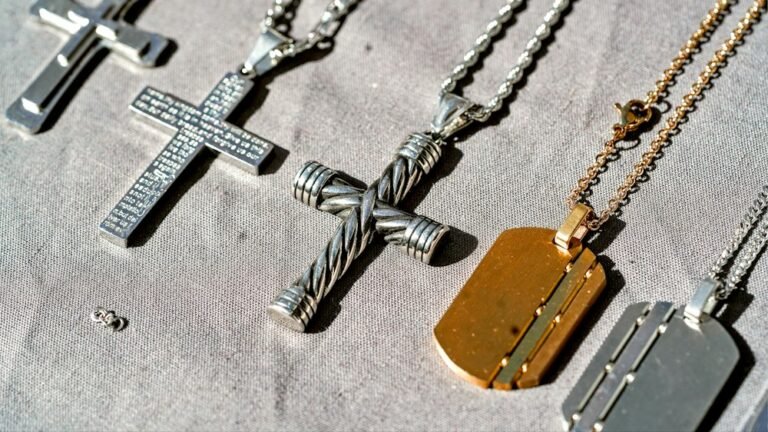
Specify 304 or 316L only where verified, surface preparation, coating color reference, polished areas and any mixed-material findings. Ask which parts contact skin and whether plating is applied before or after assembly.
For each material and coating claim, identify the exact component, verification document and proposed finishing method. Distinguish buyer preference from a tested specification; requests for 316L should not automatically extend to every separate finding.
3. Provide drawing and tolerance references
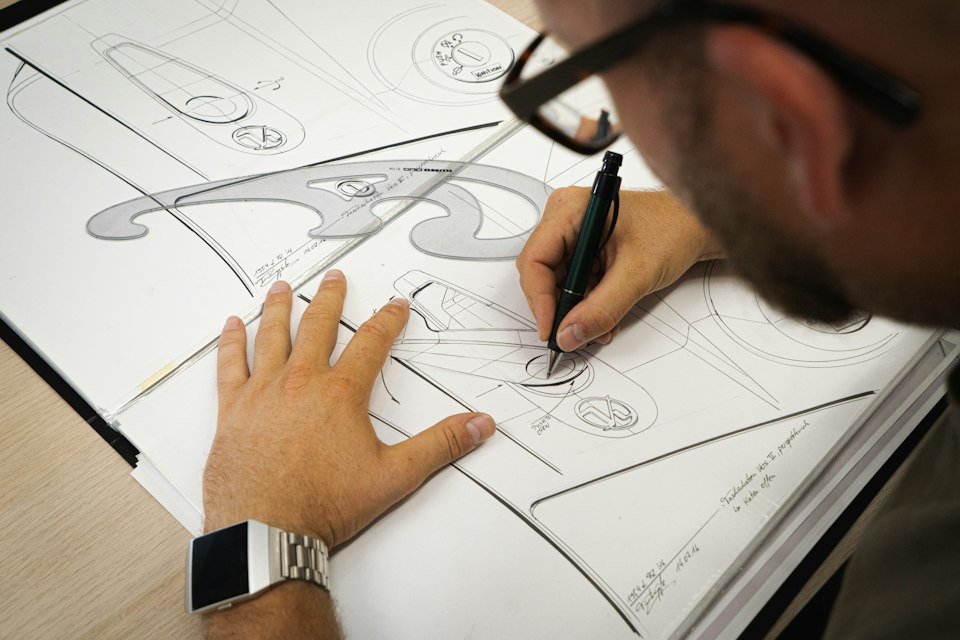
Upload dimensioned drawings and actual-size logo artwork; distinguish critical fit dimensions from appearance-only dimensions. Where a tolerance is not established, request a feasibility discussion rather than inventing a number.
Mark critical dimensions on a revision-controlled drawing, with tolerances to be agreed during engineering review. A screenshot of a pendant concept is not a substitute for a dimensioned production file.
4. Separate tooling from unit cost
Ask factories to show sample charges, any mold or fixture investment, packaging, inspection, test expenses and production price as separate line items. A cheap unit price may conceal upfront charges or missing services.
Request separate quotations for tooling, samples, bulk units, packaging and testing. Compare the same order volume, currency and named Incoterms delivery point before selecting the lowest apparent price.
5. Confirm lead-time assumptions
State when approved drawings, material availability and final payment milestones will occur. Request a production timeline linked to sample approval rather than a date unsupported by the product’s complexity.
Put lead time milestones in sequence: final artwork, approved sample, procurement, manufacturing, QC and dispatch. Ask the supplier to note which approvals can change timing.
6. Require a quotation comparison matrix
Compare the same Incoterms rule and named delivery point, currency, validity, quantity breaks and exclusions. A quote only becomes decision-ready when every supplier has answered the same questions.
Use a side-by-side response sheet and classify each quotation line as confirmed, excluded or awaiting clarification. The decision owner should approve exceptions before a purchase order is released.

Practical handover checklist: RFQ completeness and commercial comparability
- Give the product or order its current revision and a named approval owner.
- List the exact quantities, variants, accepted tolerances and outstanding exceptions.
- Preserve an approved visual or physical reference and traceable lot identification.
- Identify the inspection points at which a mismatch would stop the process.
- Record who confirms the correction, packaging release and final dispatch.
Common mistakes to avoid
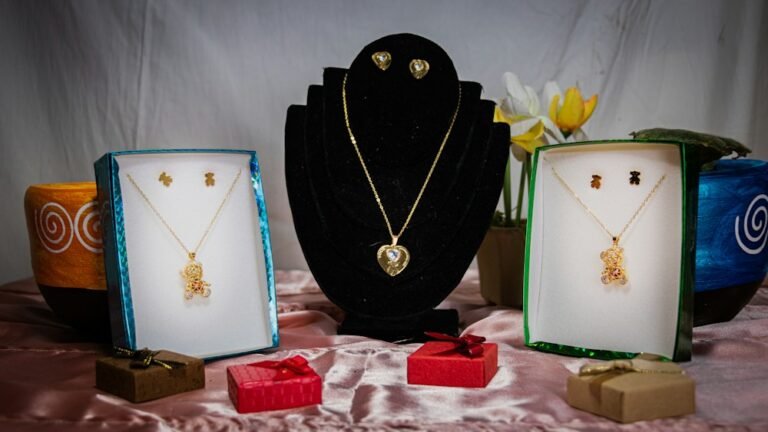
A recurring mistake is treating a supplier catalog photo as a technical specification. Photographs cannot establish dimensions, steel grade, hidden connections or a validated coating process. Another mistake is accepting a blanket statement that every production lot will be identical. Real manufacturing has variation, so parties should define what variation is acceptable and how to evaluate it.
Pricing conversations also fail when different suppliers quote different packaging, order quantities or delivery terms. A fair comparison uses a shared request document and separates confirmed values from open questions. Buyers should avoid publishing unverified performance or regulatory claims before reviewing evidence for the finished article.
Related stainless steel jewelry guidance
Further reading and verification
The links below are general reference material, not proof that a specific Yleryler shipment or product has been certified. Apply only the standards relevant to the purchase, product and market.
- ISO 9001 quality management overview — documented processes and improvement
- ISO 2859-1 sampling standard — lot acceptance sampling
- ECHA guidance on REACH — where product-specific materials compliance is relevant
Frequently asked questions
What information must appear in a jewelry RFQ?
Include the product unit, dimensions, grade by component, finishes, volumes, branding, packaging, test scope and delivery terms.
How can two OEM jewelry quotes be compared fairly?
Normalize quantities, included components, tooling, packaging, currency and Incoterms named place before comparing unit prices.
Should tooling costs be included in the unit price?
Ask suppliers to show both one-time charges and repeat-order unit costs separately so amortization assumptions are visible.
Request an OEM/ODM specification review
If you are planning a custom stainless steel jewelry order, contact Yleryler with drawings, order volume, intended materials and packaging needs. The team can review the information needed to prepare a meaningful production quotation.