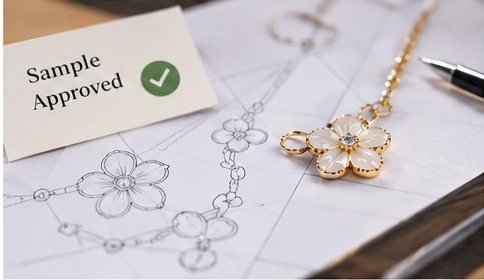
An approved jewelry sample defines the intended product but does not establish the condition of every item in a production batch. A batch QC plan must specify measurable requirements, defect categories, inspection methods, sampling or full-check decisions and release responsibility. Keep the reference sample, written specification and inspection evidence connected.
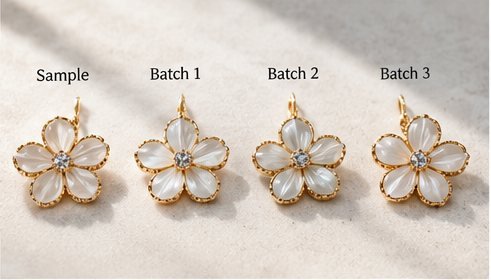
Why can a bulk order disappoint even after the buyer approves a beautiful sample? Approval settles the design reference, while production introduces variation in components, finishing, assembly and packing. The buyer needs a repeatable way to evaluate that variation before stock is released.
1. Turn the sample into written requirements
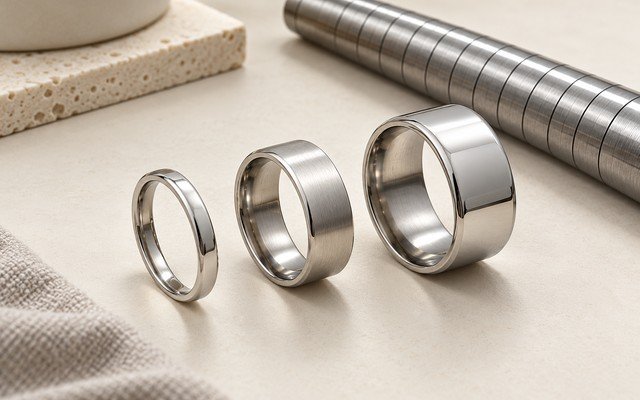
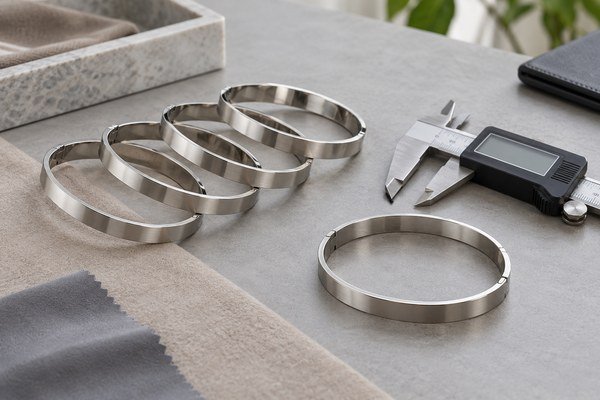
Record dimensions, tolerances where needed, sales units, finish references, attachment construction, operating checks and packaging details. A physical sample helps resolve appearance, but written requirements tell inspectors which characteristics matter and how to examine them.
Use the sample approval checklist to identify outstanding questions. If a feature cannot be measured consistently, agree a method or reference before production rather than leaving inspectors to invent one.
2. Define defects and decisions in advance
Describe the finding, affected function and severity category in concrete language. Loose stone seating, a nonfunctioning closure and a minor appearance difference do not necessarily carry the same consequence. Have the responsible parties agree classifications and actions according to product risk.
Do not allow an inspector to redefine a defect during release simply because the launch date is close. Record deviations separately and require approval from the designated decision-maker. Commercial urgency is not evidence that the goods meet the original specification.
3. Choose the inspection approach deliberately
Some checks may be suitable for sampling; others may justify complete checking because of their risk or the buyer’s requirements. A plan must identify the lot, selection method, inspection level or other governing parameters, acceptance rules and actions following a failed inspection.
ISO 2859-1 describes acceptance sampling by attributes. Applying a plan requires the relevant edition and complete rules. An AQL value alone is not a full plan and should not be described as permission to ship that percentage of defective goods.
Sampling carries decision risk and does not establish that every unexamined item is acceptable. Have an appropriately competent party select the plan, especially when inspections address safety-related characteristics or destructive testing.
4. Keep release evidence linked to the batch
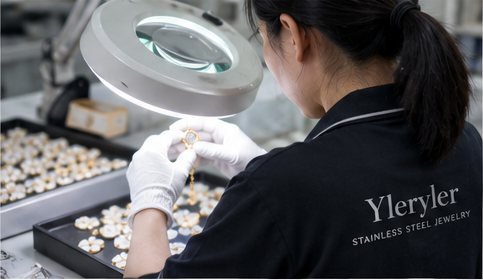
Record the product revision, lot size, selected units, observations, photographs, results and release decision. Track which component or finishing references were used when they affect the investigation. The GS1 traceability framework provides context for maintaining these relationships.
Use the reorder control record to prevent an unreviewed change from inheriting an earlier approval. A sample accepted before a component substitution may no longer represent the delivered construction.
5. Arrange independent checks where appropriate
When independent inspection or testing is part of the order, agree its scope, timing and report format before booking. Use the ILAC directory to locate relevant accreditation information and check the actual scope of the service.
Plan enough time to resolve findings before shipment. A report arriving after dispatch may still be useful evidence, but it cannot support a pre-shipment release decision that has already occurred. Keep containment, rework and reinspection steps clear.
Buyer’s working checklist
| QC element | Sample alone provides | Batch plan must add |
|---|---|---|
| Appearance | Approved reference | Viewing method and acceptance examples |
| Dimensions | One assembly’s geometry | Requirements and measurement method |
| Function | Prototype demonstration | Checks and decision criteria |
| Shipment release | Design approval | Batch evidence, decision and responsible owner |
Practical buying example
Illustrative example: the reference bracelet closes correctly, but production uses a revised clasp component. The inspection plan should verify operation against the written requirement and record the revision. Approval of the old sample cannot automatically authorize the substitution.
Illustrative batch inspection and release decision
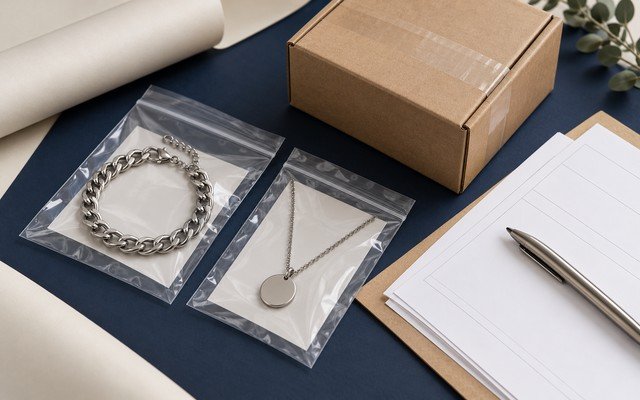
Consider a hypothetical order of 1,000 stainless steel bracelets in one SKU and finish. The approved sample and revision-controlled drawing identify the bracelet length, clasp operation, surface finish, logo position and packing method. Before inspection, the buyer and supplier agree the applicable sampling or 100% checks, defect classifications and disposition authority.
| Recorded finding | Evidence | Next action |
|---|---|---|
| Clasp does not latch consistently | Item ID, functional test and photo/video | Isolate affected items; classify against agreed defect criteria |
| Finish differs from approved reference | Controlled-light comparison and lot reference | Assess against documented appearance limits |
| Incorrect SKU on packaging | Label images, SKU and count | Correct labeling; verify according to agreed reinspection rules |
Release decision: Do not infer acceptance from these examples alone. Document the actual sample size, inspected quantities, defect counts, decision criteria, corrective actions, reinspection outcome and named release approver. If the agreed plan fails, place the lot on hold pending authorized disposition. This is a fictional training example, not an actual Yleryler inspection report.
Frequently asked questions
Does an approved sample guarantee the whole order?
No. It provides a reference. Batch conformity requires an appropriate inspection and release process.
Is AQL the allowed defective percentage in every shipment?
No. It is a parameter in a sampling system, not a universal shipment allowance or a complete plan.
Must every item be inspected?
That depends on risk, requirements and the chosen plan. Agree which checks are sampled and which are complete checks.
Batch QC inspection record template (adapt before use)
Use the following field structure for each SKU and production lot. This is a suggested buyer template, not a record of a Yleryler shipment or proof of testing.
| Record field | What to document | Decision basis |
|---|---|---|
| Lot identity | PO, SKU, revision, quantity, date, inspector | Approved PO and sample revision |
| Dimensions | Measured size, tool identification, tolerance | Approved drawing and measuring method |
| Surface appearance | Finish, color, scratches and photos under agreed lighting | Approved limit samples and viewing criteria |
| Assembly and function | Clasp operation, links, stone security where applicable | Product-specific acceptance criteria |
| Packaging | SKU label, count, protective separation, carton condition | Approved packing instruction |
| Disposition | Sample selection, defects, corrective action, reinspection, sign-off | Buyer-approved inspection and release plan |
Practical use: Copy these headings to your own inspection worksheet. Specify the sampling methodology and defect definitions in writing before inspecting. A failed sample inspection should trigger the actions prescribed by the agreed plan, not an automatic shipment approval.
Relevant wholesale product examples
For a clasp and finish inspection brief, review the stainless steel curb chain bracelet and stainless steel ID bracelet as product examples. Product listings illustrate construction types; they do not certify a particular batch.
RFQ checklist: Send your SKU list, target lot quantities, approved sample revision, critical-to-quality features, proposed inspection point and reporting requirements when requesting a batch QC plan.
Discuss your sourcing requirements
Planning an OEM/ODM stainless steel jewelry order? Send Yleryler your product drawings or SKU list, approved sample revision, target quantity per design, finish and logo specifications, packaging requirements, destination market, expected shipment date and any independent inspection or laboratory testing expectations. We can review the manufacturing and batch QC requirements before preparing a quotation. Share your project requirements with Yleryler.
Prepared for B2B sourcing and product development. External sources support the linked technical background; the purchasing checklists and examples are suggested workflows. Confirm the current requirements and methods for your destination market with the responsible laboratory or adviser.