Prepare stainless steel jewelry information for EU buyers by connecting the product's identity, responsible economic operators, safety information and supporting records. A laboratory report is one part of that information package; it does not replace product identification, risk assessment or the information required for retail offers.
The EU General Product Safety Regulation, or GPSR, is a relevant framework for consumer products. The appropriate responsibilities depend on the business's actual role and the product. A B2B factory catalog should help the importing brand gather facts, while the parties confirm who must perform and maintain each required task.
Start with one identifiable product version
Create a master record for the design and its relevant variants. Include the model reference, photographs, materials, dimensions, finish, component list and packaging version. Identify how the production lot or other appropriate identifier connects to that record.
The same marketing name may cover several physical configurations. A gold-tone necklace with a different clasp or pendant insert should not silently inherit the documentation of an earlier assembly. Record changes that affect product identity, risk assessment or supporting evidence.
Keep the reference understandable outside the factory. An importer should be able to match a retail listing, a sample, a purchase order and a shipped unit without depending on an employee's memory of a photograph.
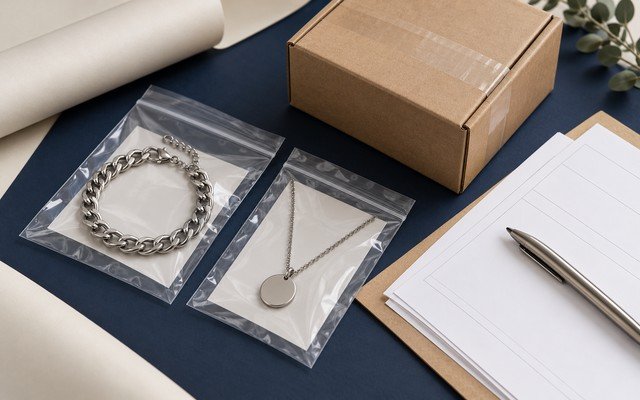
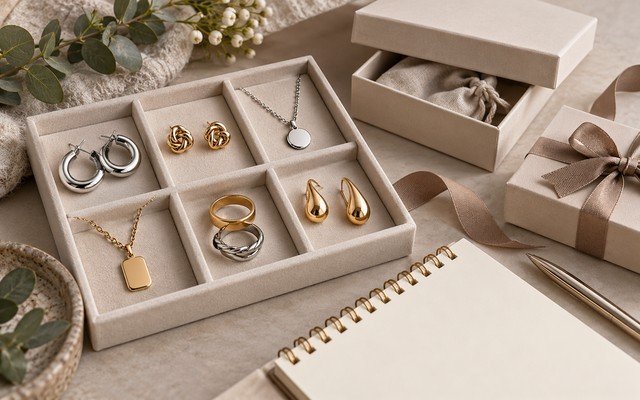
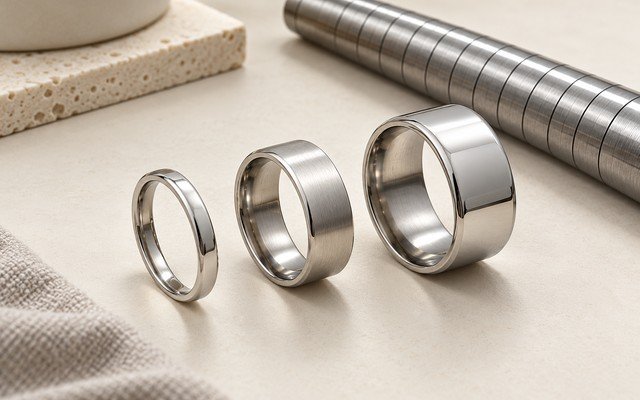
Images are editorial illustrations, including AI-generated concepts. They are not photographs of verified production, test results or approved customer samples.

Identify the economic operators and their roles
The GPSR contains requirements concerning manufacturers, importers, distributors and the EU responsible economic operator. The name printed on a product or brand presentation does not, by itself, settle every legal responsibility. Private-label arrangements need a deliberate role review.
Ask the EU buyer to confirm the relevant operator details and the information it needs from the manufacturing side. Maintain accurate business contact information and make clear which organization is associated with each role. Do not invent an EU address or list a logistics warehouse as a responsible person without an actual valid arrangement.
Use the current consolidated regulation and the European Commission's explanations as the reference point. A marketplace's upload form may collect some necessary information, but completing that form alone does not establish compliance with the whole product-safety framework.
Build a product-specific safety information file
The technical information should describe the actual jewelry and the risks relevant to its construction and intended users. Consider edges, closures, detachable components, foreseeable handling and material-related issues. The exact assessment should be performed by people competent for the product and destination requirements.
Separate chemical evidence from mechanical and identification records. A nickel release report, for example, does not show that a clasp is secure or that the supplied product matches the pictured version. Its sample identity, tested components and report scope must be understood.
Organize the file so a reviewer can locate:
- Product and variant identification.
- Relevant materials and construction information.
- Risk assessment and supporting decisions.
- Applicable test or assessment records.
- Required warnings, instructions and language versions.
- Manufacturing lot and change-control references.

Review packaging and online offers together
Article 19 of the GPSR addresses information in distance-sales offers, including product identification, relevant economic-operator details and applicable warnings or safety information. The exact content and presentation should be reviewed for the product and destination.
Treat the physical label, accompanying information and online listing as connected outputs. A correct packaging card does not automatically repair missing information on a retailer's product page. A QR code can be useful for access and updates, but should not be assumed to replace information required in another form.
Provide the retailer with a controlled information sheet rather than a mixture of old screenshots and informal messages. Mark the version and approval date. When a warning or operator detail changes, identify the listings and packaging that need review.
Agree how records will remain available
Before shipment, assign responsibility for storing the file, maintaining contact details and responding to product-safety questions. Agree how the factory and importer will exchange lot information if a complaint or corrective action concerns an item already sold.
The Commission explains that the GPSR works alongside other applicable EU safety legislation. Do not treat a general product-safety file as a substitute for reviewing chemical restrictions or other relevant requirements. Equally, do not present one chemical report as a universal EU approval certificate.

EU buyer product-information handover checklist
| Information group | Supplier contribution | Importer / seller review |
|---|---|---|
| Product identity | Model, images, material and traceable lot reference | Match packaging and online offer |
| Economic operators | Manufacturer identity and contact records as applicable | Confirm legally required EU operator and display |
| Safety and use | Relevant instructions, foreseeable risks and test records | Evaluate language, warnings and applicable laws |
| Claims | Support for material, coating and nickel-release claims | Check marketing copy against actual evidence |
Illustrative EU launch review
An online retailer imports several similar earrings with different posts and coatings. One generic material statement may not support every variant. Map each saleable SKU to its actual components and supporting evidence. Requirements can vary with the product and operator role; obtain current EU regulatory advice for the specific market.
FAQ
Does a REACH-related report cover the whole GPSR information package?
No. It can support a relevant chemical assessment, depending on its scope. Product identity, operator information, risk assessment and other applicable obligations still need their own review.
Can the same file support several finishes?
Only where the assessment and evidence actually cover them. Identify the variants and explain the basis for grouping them rather than assuming that a common product shape is sufficient.
What should a factory send first?
Begin with an accurate product specification, component information, available evidence and traceability references. Ask the importing brand to confirm its intended markets, business roles and outstanding information needs before final labeling is approved.
Editorial review and buyer-use limitations
This article is published by Yleryler for wholesale stainless steel jewelry sourcing and OEM/ODM specification review. The practical examples are illustrative, not verified customer orders, product certificates or legal advice. Buyers should verify material, technical claims and market-specific requirements against their actual approved specifications and the authoritative sources linked below. No individual professional qualification or independent third-party review is claimed.
Sources and further reading
These references support the material, regulatory or buying principles discussed above. Product-specific purchasing recommendations are practical guidance; an industry reference does not certify a supplied item. Sources reviewed on October 22, 2026.
- EUR-Lex: current consolidated General Product Safety Regulation
- EUR-Lex: overview of the GPSR framework
- European Commission: GPSR and economic operators
Related buying guides and product options
For the next purchasing step, read What Should a Jewelry Batch Traceability Record Include? and What Does a Nickel Release Test Prove About Stainless Steel Jewelry?. Explore our stainless steel earring collection and contact Yleryler for an OEM/ODM sourcing review. Include your product type or drawings, estimated quantity, stainless steel grade and finish, destination market, required evidence or testing, preferred delivery terms and target date. We can then clarify the quotation scope and product-specific approval criteria. Material grade, process, evidence, MOQ, pricing and delivery are confirmed for the actual quotation and approved specification.