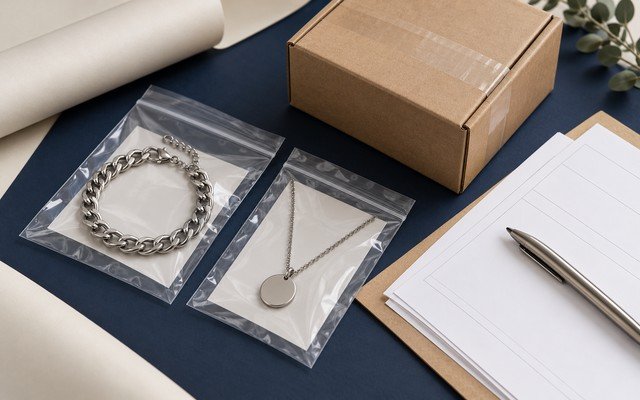
A jewelry batch traceability record should connect the finished SKU and revision to the production lot, relevant component lots, finishing reference, inspection decision and shipment record. Its purpose is to identify which items may be affected by a problem and locate them quickly. A barcode or product code alone does not provide that history.
What information would your team need if a clasp problem appeared three weeks after delivery? A product name and order date may identify the purchase, but they rarely isolate the affected assemblies. A useful batch record follows the product through the decisions that matter, without requiring a complicated software system.
1. Distinguish the product from the batch
A SKU describes an orderable variant. A batch identifies a defined group made or handled together. The same SKU can appear in several batches, and one shipment can contain more than one batch. Keep these fields separate so a later reorder does not overwrite the earlier production history.
The GS1 GTIN guidance describes trade-item identification. A trade-item identifier is useful, but your system also needs lot relationships and event records. Start with the SKU and packing-list guide to align the commercial identity.
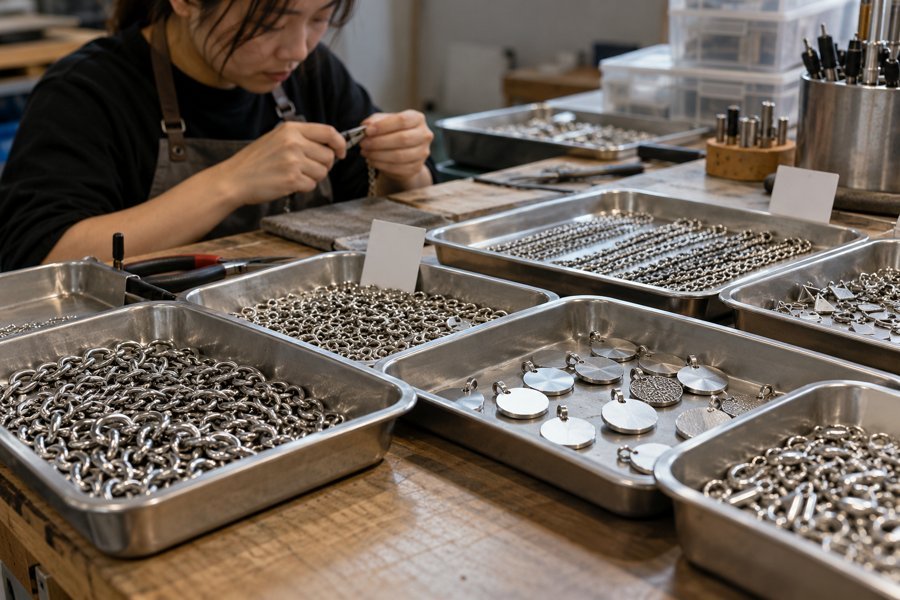
2. Capture the links that explain a failure
Record the approved product revision, production reference, component source or lot where available, and finish-run reference. For assemblies, prioritize components whose variation could affect function or safety. A clasp batch, earring-post batch or adhesive specification may be more useful during investigation than a general factory name.
The GS1 Global Traceability Standard provides a framework for traceability systems. The practical record below is a suggested buyer workflow, not a claim that a spreadsheet by itself satisfies that standard.
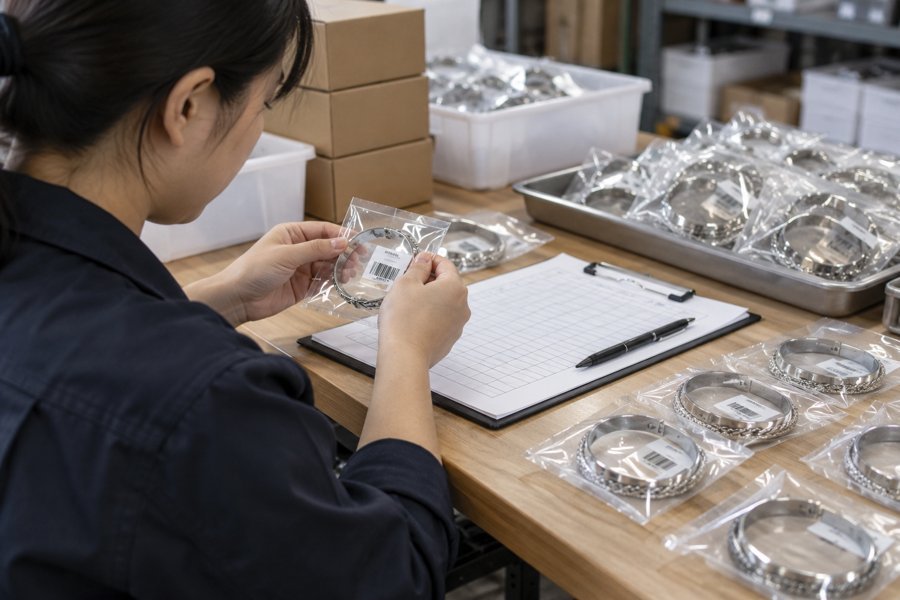
3. Record the decisions, not just the dates
Keep inspection references and the person responsible for release. When a sample or batch is accepted with a deviation, record the exact deviation, affected quantity and approval. Otherwise, a later team member may assume that an exception was part of the normal specification.
Link changes through the reorder specification record. Preserve the earlier version instead of editing its fields silently. The records should explain which construction was delivered at each point in time.
4. Test whether you can retrieve the history
Choose one packed carton and work backward to its production and inspection references. Then choose one component lot and work forward to the affected finished batches and shipment recipients. If either direction stops at an undocumented split or merge, add the missing relationship.
ISTA’s packaged-product retesting guidance identifies product and packaging changes as review triggers. A revision-linked batch record helps your team recognize when earlier packaging evidence may no longer represent the shipment.

Buyer’s working checklist
| Record field | Suggested content | Reason to retain it |
|---|---|---|
| Finished identity | SKU, color, size, sales unit and revision | Separates variants and versions |
| Production relationship | Batch reference and relevant component lots | Narrows an investigation |
| Release evidence | Inspection reference, decision and approver | Explains why stock was released |
| Delivery relationship | Packing-list row, carton and destination | Locates affected inventory |
Practical buying example
Illustrative example: two necklace batches use the same pendant but different clasp lots. A closure complaint arises in one batch. A linked record lets the buyer inspect the affected clasp lot first, rather than holding every necklace with that pendant. The investigation must still verify the cause; traceability narrows the search rather than proving it.
Frequently asked questions
Do small orders need batch records?
Yes, a simple record is still useful. Match the detail to the product risks and the ability to separate affected stock.
Is a spreadsheet enough?
It can be a practical starting point if relationships, ownership, access and version control are maintained.
Should suppliers reveal every commercial detail?
Not necessarily. Agree the traceability information needed for verification while respecting confidential commercial information.
Discuss your sourcing requirements
When requesting a Yleryler quotation, specify the SKU structure, batch references and shipment evidence your receiving team needs. Agree the record format before production begins. Contact Yleryler about your project.
Prepared for B2B sourcing and product development. External sources support the linked technical background; the purchasing checklists and examples are suggested workflows. Confirm the current requirements and methods for your destination market with the responsible laboratory or adviser.