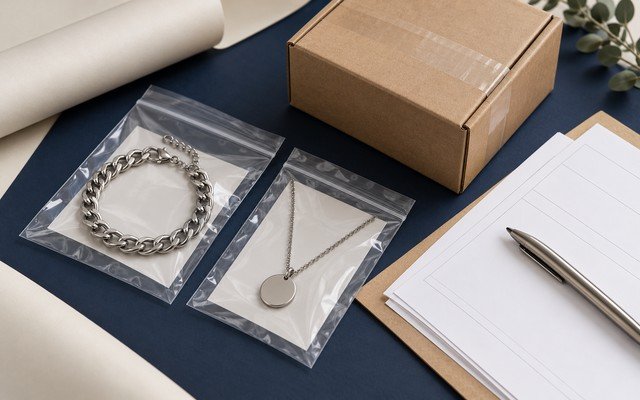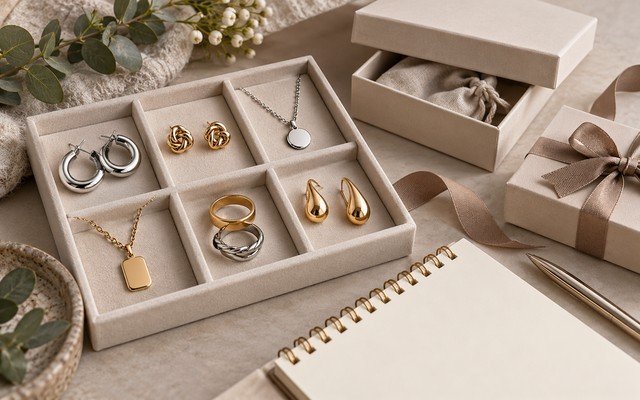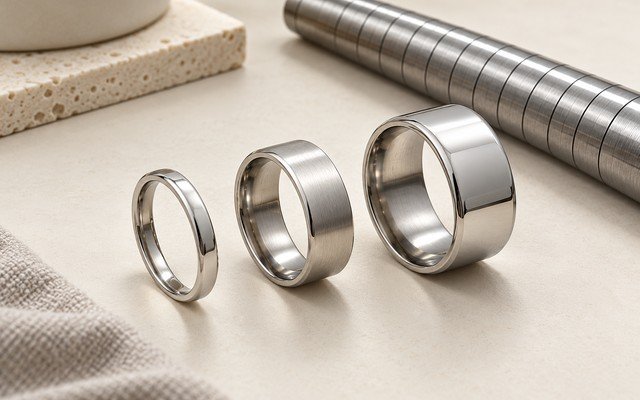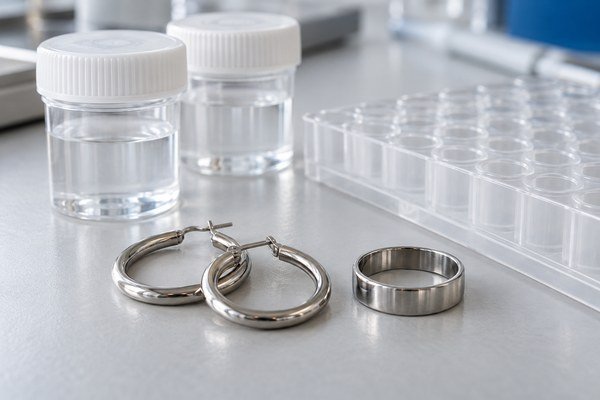
A nickel release test measures nickel released from the submitted sample under a specified laboratory method. It does not establish that the jewelry contains no nickel, that every production batch matches the sample, or that every wearer will tolerate it. Buyers should connect the result to the finished SKU, components, finish and relevant market requirements.
What does a nickel release test actually tell a wholesale jewelry buyer? It answers a defined question about a submitted specimen, not every question about material identity, comfort or long-term wear. Treating a report as a universal safety certificate creates an evidence gap between the tested article and the product offered for sale.
1. Separate release from metal composition
Nickel content describes what is in an alloy. Nickel release concerns what leaves the specimen under the test conditions. These are different measurements. A material-composition report cannot substitute for a release report, and a release result cannot establish the complete alloy composition. Specify which question the purchase agreement requires the supplier to answer.
SGS explains the relationship between EN 1811 and the EU nickel restriction in its nickel release standards update. Ask the laboratory to confirm the appropriate current method and any preparation relevant to the finished coating. Do not infer the required test solely from a brand’s general material description.
2. Check what the laboratory received
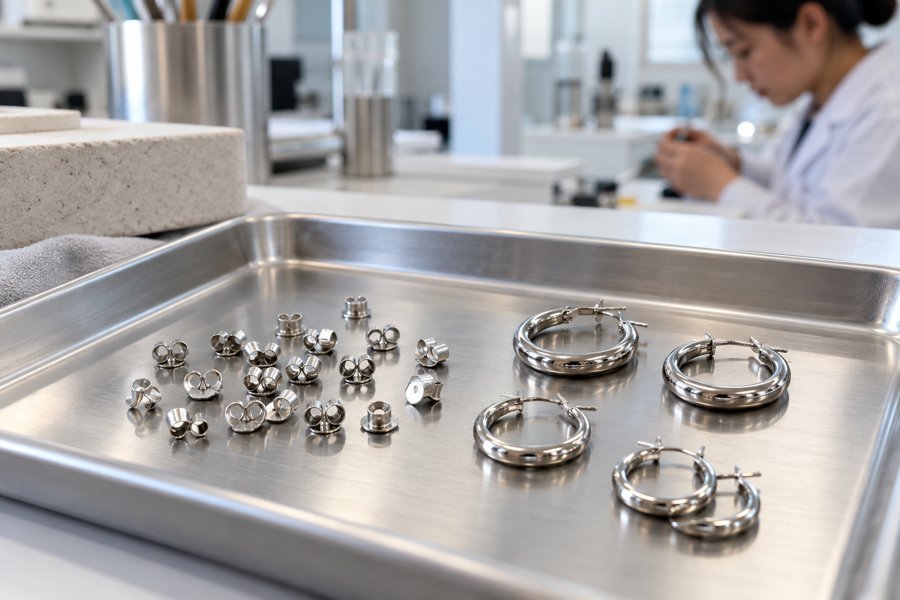
Match the report’s photographs, sample description, submission reference and date to the approved product. A plain ring is not the same specimen as an assembled earring containing a post, backing and decorative attachment. Ask whether the report identifies separate components and whether the tested finish corresponds to the production finish.
Use the jewelry sample approval checklist to connect the physical sample with its report. Keep the testing sample reference separate from the commercial product code when they differ, but record the relationship so another buyer can follow it.

3. Keep the compliance question specific
The ECHA REACH restriction list is the reference point for checking applicable substance restrictions. A nickel result alone does not establish results for lead, cadmium or other requirements. The intended use and destination market determine which additional checks need review.
Do not describe an entire catalogue as tested because one design has a report. Establish a documented coverage rationale with the laboratory for any grouped styles. Changes to components, suppliers or surface treatment may require a new review rather than an automatic extension of old evidence.
4. Translate the result into careful buyer language
Use statements that identify the tested product and the method instead of promises such as safe for everyone. The FTC advertising substantiation policy explains why objective marketing claims need prior support. A product’s claim should remain within the evidence actually held.
A laboratory pass also does not measure clasp reliability, surface sharpness or packing quality. Those belong in the purchasing specification and the receiving inspection. Keep chemical testing and mechanical acceptance as separate decisions.
Buyer’s working checklist
| Buyer question | Evidence to request | What it cannot establish |
|---|---|---|
| Does this specimen meet the stated release criterion? | Complete release report and sample identity | Performance of every untested style |
| Is the delivered construction the tested one? | Component, finish and revision records | Absence of manufacturing variation |
| Can we make a skin-safety claim? | Claim-specific evidence and market review | Tolerance for every individual wearer |
Practical buying example
Illustrative buying decision: a supplier sends a report for an uncoated ring while the order is for gold-tone earrings. Record the report as background evidence, not approval for the earrings. Request a test plan for the finished construction before releasing that claim or the order. This example is a purchasing scenario, not a Yleryler test result.
Frequently asked questions
Does passing mean nickel-free?
No. A release result and total nickel content answer different questions. Use only the wording justified by the specific evidence.
Should every color share one report?
Not automatically. Ask the laboratory whether the different finishes and construction can be covered and record its rationale.
Can a report replace sample inspection?
No. Fit, closure, appearance and packing still need agreed checks against the approved sample.
Discuss your sourcing requirements
Send Yleryler the intended market, jewelry style, finish and any buyer testing requirements. Ask us to review the finished configuration and the available documentation before making product claims. Contact Yleryler about your project.
Prepared for B2B sourcing and product development. External sources support the linked technical background; the purchasing checklists and examples are suggested workflows. Confirm the current requirements and methods for your destination market with the responsible laboratory or adviser.