A jewelry wear trial should define the intended use, representative finished samples, permitted activities, observation schedule, stopping rules and decision criteria. Record exposure and findings consistently, then separate design feedback from chemical testing and batch inspection. A short trial can reveal problems but cannot establish a universal lifetime or guarantee skin tolerance.
How do you make a pre-launch wear trial useful instead of collecting comments such as looks good? Begin with a question that affects a buying decision: whether a closure is easy to operate, whether a pendant turns excessively or whether contact areas show unacceptable visible wear under the agreed conditions.
1. Write the trial question before choosing participants
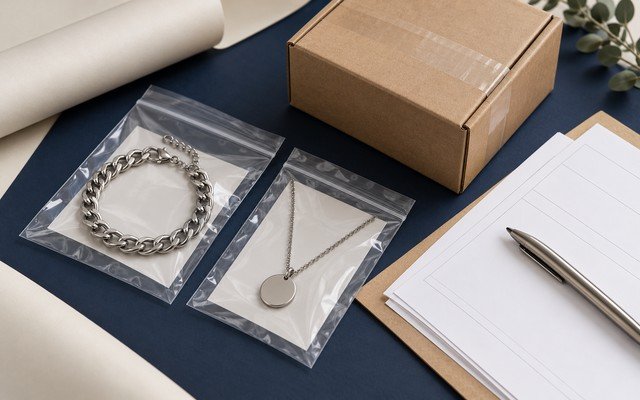
Select the product feature you need to learn about and define what success means. Use a production-representative assembly with the approved finish, attachments and dimensions. Record sample codes and photographs before anyone starts wearing the items.
Use the sample approval record to confirm the construction. If a prototype differs from the planned product, list those differences and restrict what the trial can establish. Do not evaluate an undecorated prototype and then assume the finished version will behave identically.

2. Describe exposure and stopping rules
Record the allowed activities, wearing duration, care routine and removal conditions. Avoid intentionally exposing people to unsafe or unreviewed conditions. Participants should stop using an item if discomfort, irritation, sharpness, breakage or other concerning behavior occurs and report the observation promptly.
Chemical requirements remain a separate assessment. Review relevant ECHA restrictions with the responsible laboratory for the intended market. Human use is not a replacement for required laboratory testing or a reason to claim a product suits every sensitive wearer.
3. Use the same observation format
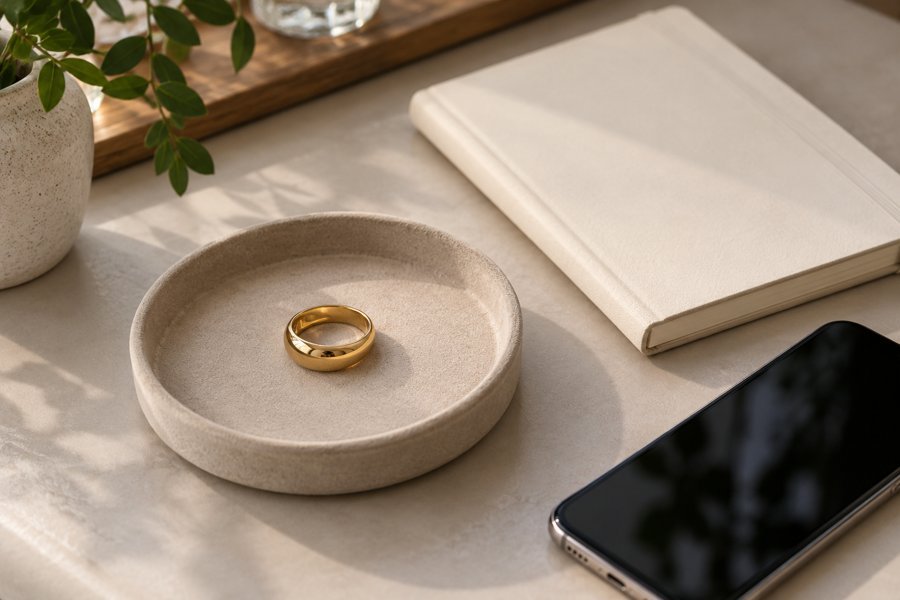
At each agreed checkpoint, photograph the same surfaces under similar lighting and record the same functional actions. Include closure operation, attachment movement, contact-point marks and visible finish changes. Keep the sample code in the log so findings can be traced to the actual item.
Distinguish a mark that can be removed by the approved cleaning routine from persistent finish damage. Record unexpected exposure rather than deleting it from the trial. It may explain a finding, but the team must decide how that finding affects the intended-use instructions.
4. Decide what the trial supports
Summarize participant count, sample construction, duration, exposures and unresolved limitations. Small trials are useful for development feedback but cannot represent every wearer or real-world condition. Do not hide a negative finding behind a favorable average.
The FTC substantiation policy is relevant to performance claims. The evidence needed depends on the claim; a brief informal trial should not be described as scientific proof of lifetime durability.
5. Convert findings into a release decision
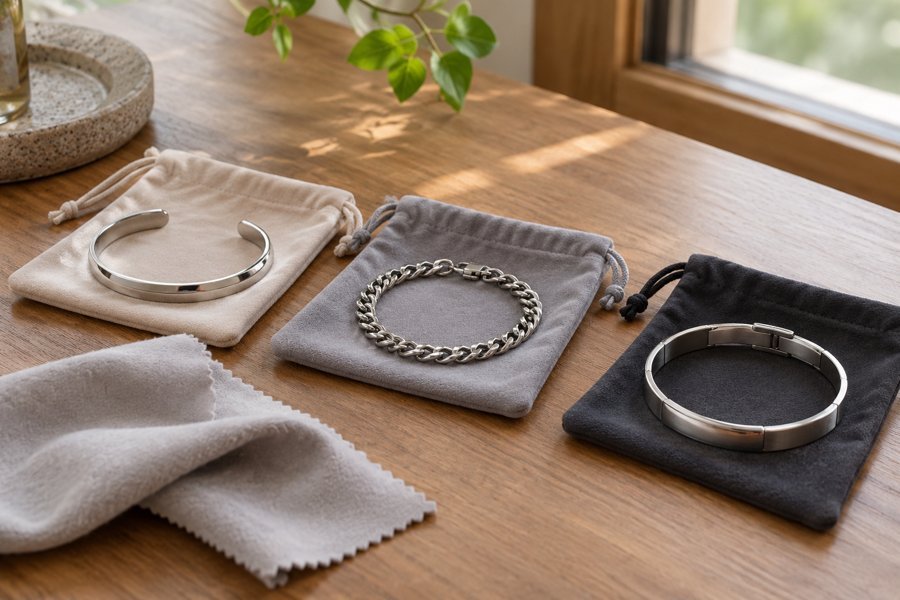
Choose between approval, a design revision, a care-instruction revision or further testing. State who owns the action and what evidence will close it. After a material or construction change, assess whether the earlier trial remains representative.
For independently evaluated performance work, consult the ILAC accreditation directory and verify the relevant testing scope. Connect any agreed revision to the repeat-order specification so subsequent batches inherit the correction.
Buyer’s working checklist
| Log field | What to record | Decision it supports |
|---|---|---|
| Sample identity | SKU, revision, finish and initial photos | Whether evidence represents the product |
| Exposure | Duration, activities, care and unexpected events | Whether conditions match intended use |
| Finding | Location, time, photos and function change | What needs investigation |
| Action | Owner, revision or further test | Whether launch approval is justified |
Practical buying example
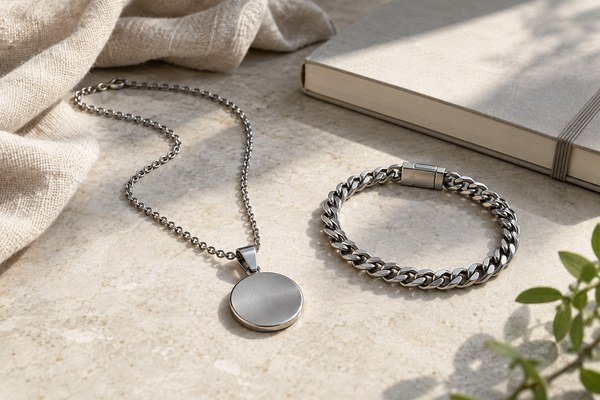
Illustrative trial: a pendant remains front-facing while standing but repeatedly flips during ordinary movement. Record the chain length, bail construction and activity. Investigate balance using the complete assembly rather than solving the issue by changing photography. Repeat the relevant checks after the design revision.
Frequently asked questions
How many participants are enough?
There is no universal number for every claim. Define the purpose and seek suitable technical advice when statistical or claim-level evidence is needed.
Can wear trials prove hypoallergenic performance?
No universal guarantee follows from an informal trial. Chemical evidence and individual responses are separate matters.
Should a revised design be tried again?
Review the change and repeat the affected checks when the earlier sample no longer represents the final construction.
Discuss your sourcing requirements
Tell Yleryler what buying decision your trial must resolve, the intended user activities and your launch schedule. Agree representative samples and a clear feedback format before the trial starts. Contact Yleryler about your project.
Prepared for B2B sourcing and product development. External sources support the linked technical background; the purchasing checklists and examples are suggested workflows. Confirm the current requirements and methods for your destination market with the responsible laboratory or adviser.