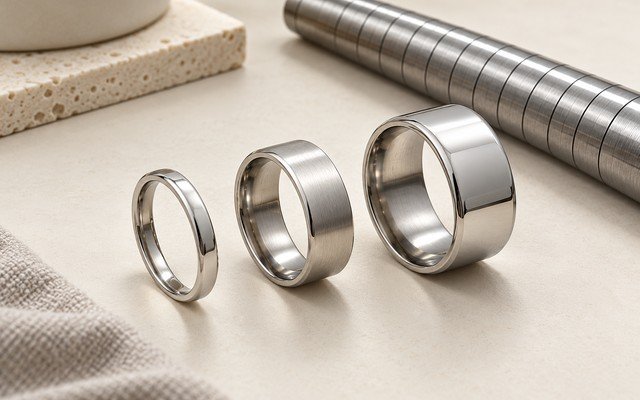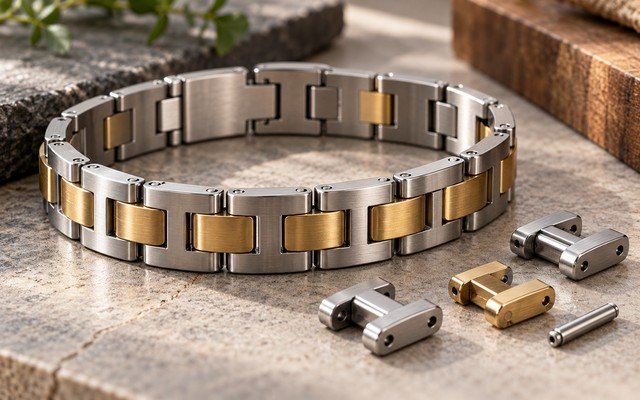
Specify mixed-metal stainless steel jewelry component by component, including each material, finish, joining method and intended exposure. A product is not fully described by the material of its largest visible part. Connectors, springs, decorative accents and hidden fittings can determine how the complete item behaves.
Mixed-metal designs can be attractive and practical, but they create interfaces that deserve review. The purchasing objective is to understand those interfaces and verify the assembly, rather than assuming that two individually acceptable components will always work well together.
Map the assembly before choosing tests
Start with an exploded sketch or a simple component list. Identify the main body, connecting rings, clasp, internal spring, decorative insert and any adhesive or insulating part. Record the substrate and finish separately for each relevant component.
Do not assume every silver-colored part is stainless steel. Likewise, a brass-tone appearance does not establish that a component is brass. If the specification only states a color, the supplier still needs to identify the material where it matters to function, compliance or the product description.
A useful review also identifies where components touch, rotate or rub. These contact locations can be more important than the largest visible surface when evaluating coating wear, corrosion risk or the possibility of a component loosening.
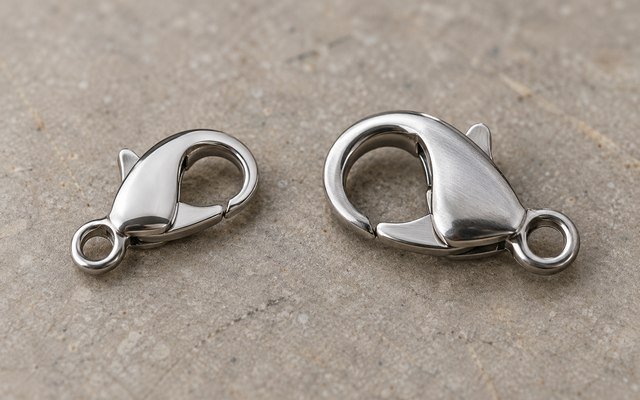
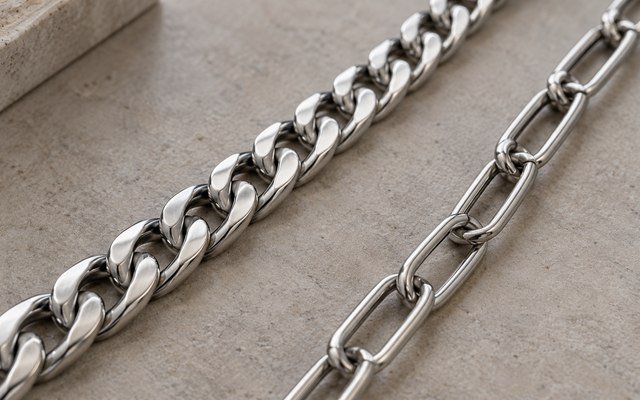
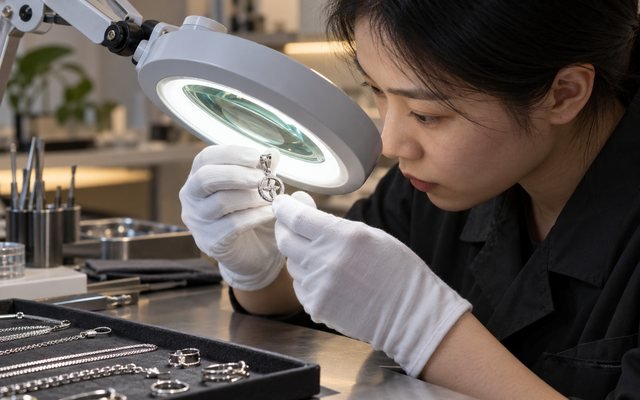
Images are editorial illustrations, including AI-generated concepts. They are not photographs of verified production, test results or approved customer samples.
Understand when galvanic corrosion becomes relevant
BSSA explains that galvanic corrosion requires dissimilar metals in electrical contact and a conductive liquid linking them. The existence of two metal types alone therefore does not predict the outcome. Exposure, surface condition, contact geometry and the particular materials all matter.
worldstainless's guidance on contact with other metallic materials provides broader engineering background. Applying that background to jewelry requires review of the small assembled item and its expected use; a large construction example is not a direct jewelry performance guarantee.
Ask the process specialist to identify the plausible risk for the actual assembly. Sweat, retained moisture or other exposure may justify a closer look at a junction. Avoid copying a generic compatibility chart into a lifetime promise without a product-specific assessment.
Treat a coating as part of a system
A coating can affect appearance and the condition of a metal interface, but it should not automatically be treated as permanent electrical isolation. Contact, movement or damage may change the surface at the point where parts meet.
Discuss how the coating sequence interacts with assembly. Are components coated separately and then joined? Is the finished assembly coated together? Are there masked areas or internal surfaces that the process does not cover in the same way?
These questions do not imply that one sequence is always better. They help the buyer and manufacturer identify what should be checked. Record the agreed system so a later supplier substitution does not change a critical interface unnoticed.
Review compatibility beyond corrosion
Mixed-metal construction also raises practical mechanical questions. A harder connector may mark a softer decorative piece. A spring may require a material different from the surrounding clasp body. A joined assembly may respond differently to finishing or cleaning than its individual components.
Use a review sheet that covers:
- Material identity and finish for each component.
- The location and nature of component contact.
- Movement, rubbing and retention during normal handling.
- Compatibility with the manufacturing and cleaning sequence.
- Relevant skin-contact or destination-market requirements.
- The evidence required before bulk release.
Review the complete finished assembly rather than approving each supplier's isolated component photograph. If a test is needed, define the question it should answer and the condition in which the assembly will be evaluated.
Control substitutions and repeat production
A mixed-metal design is especially vulnerable to an unnoticed equivalent-part substitution. Similar dimensions and color do not establish equal material or performance. Require approval when a proposed change affects a critical component or contact point.
For a hypothetical bracelet combining a stainless steel body with a contrasting accent, the change record could identify the accent material, coating, supplier reference and adjacent connector. If the accent source changes, the buyer can review the affected junction instead of restarting the whole development process without focus.
Keep an approved assembly reference with the bill of materials. Record any limitations in the product's care instructions, using language supported by the finished-item review. BSSA's corrosion-mechanism guidance is a reminder that different mechanisms require different investigation; not every stain at a joint has the same cause.
Mixed-metal component approval matrix
| Component interface | What to verify | Risk to review |
|---|---|---|
| Steel chain to brass connector | Exact alloys, surface finish, joining method | Wear, color mismatch and wet-contact corrosion conditions |
| Steel pendant to plated jump ring | Plating continuity and high-friction contact points | Early coating loss or exposed base metal |
| Steel part with decorative insert | Insert material and adhesive or mechanical retention | Loosening, cleaning compatibility and skin contact |
Hypothetical specification example
For a two-tone bracelet, record the alloy and finish of the bracelet body, clasp and connector separately. Approving the primary 316L component does not certify an untested brass fitting or plating system. Agree component-specific acceptance evidence before substitution or mass production.
FAQ
Does stainless steel protect every metal attached to it?
No. The behavior of a coupled assembly depends on the materials and environment. A corrosion-resistant main body does not automatically establish the condition or durability of every attached fitting.
Can a gold-colored connector be substituted by appearance?
Appearance is only one acceptance requirement. Review its substrate, coating, dimensions, joining method and role in the assembly before treating it as an acceptable substitute.
Should the purchase specification list hidden components?
Yes, where they affect function, safety, material claims or repeat-order consistency. The specification should identify critical internal parts even when they do not appear in the main catalog photograph.
Editorial review and buyer-use limitations
This article is published by Yleryler for wholesale stainless steel jewelry sourcing and OEM/ODM specification review. The practical examples are illustrative, not verified customer orders, product certificates or legal advice. Buyers should verify material, technical claims and market-specific requirements against their actual approved specifications and the authoritative sources linked below. No individual professional qualification or independent third-party review is claimed.
Sources and further reading
These references support the material, regulatory or buying principles discussed above. Product-specific purchasing recommendations are practical guidance; an industry reference does not certify a supplied item. Sources reviewed on October 22, 2026.
- BSSA: bimetallic or galvanic corrosion conditions
- worldstainless: contact with other metallic materials
- BSSA: corrosion mechanisms in stainless steel
Related buying guides and product options
For the next purchasing step, read How to Control Jewelry Component Substitutions Before Shipment and Two-Tone Stainless Steel Jewelry: Define the Color Boundary. Explore our stainless steel bracelet bangle collection and contact Yleryler for an OEM/ODM sourcing review. Include your product type or drawings, estimated quantity, stainless steel grade and finish, destination market, required evidence or testing, preferred delivery terms and target date. We can then clarify the quotation scope and product-specific approval criteria. Material grade, process, evidence, MOQ, pricing and delivery are confirmed for the actual quotation and approved specification.