To verify a jewelry supplier’s test report, obtain the complete document, confirm its authenticity through the laboratory’s official channel, match the tested sample to the ordered construction, review methods and results, and check relevant accreditation scope. Then assess whether material, finish or component changes limit its applicability. A laboratory logo on a cropped page is insufficient.
How can a buyer distinguish useful testing evidence from an impressive-looking attachment? Read the report as a record of a specific submission. The central question is whether the evidence is authentic, relevant and applicable to the product you will receive, not whether a familiar testing company appears on the first page.
1. Request the complete, readable report
Obtain all pages, including photographs, sample descriptions, method details, result tables, notes and any stated limitations. Keep the original electronic file. A screenshot may omit qualifications or make it impossible to confirm the laboratory’s issuing office and report reference.
Use the laboratory’s official website or established verification process to check authenticity. Do not rely exclusively on a telephone number or link supplied within a suspicious document. Respect the laboratory’s client-confidentiality process and ask the supplier to authorize confirmation when required.
2. Match the specimen to the order
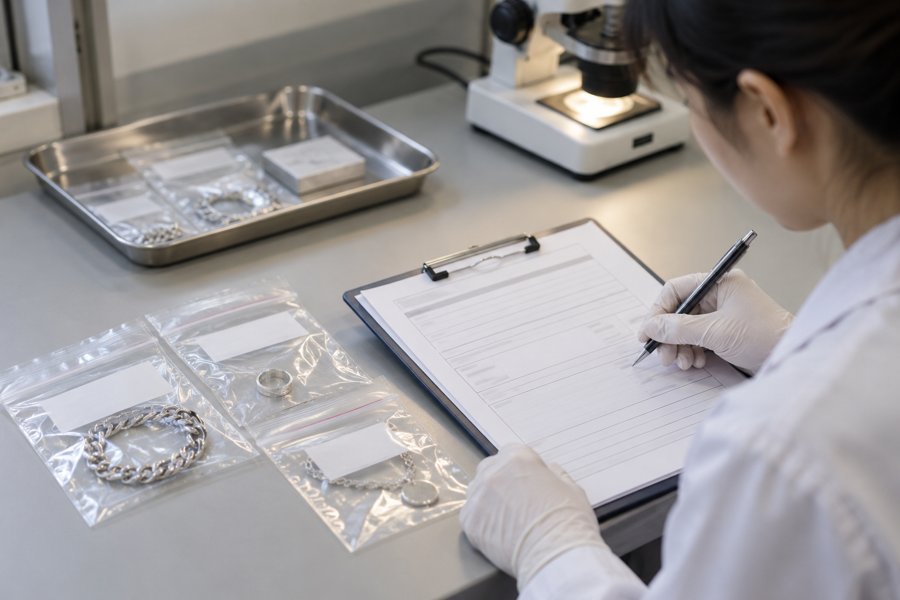
Compare the product code, construction, finish, sample photograph and submission date with the approved sample record. A report for raw material, a single component or another color may provide background information, but its applicability must be assessed rather than assumed.
The sample approval checklist helps create that relationship. Record any mismatch explicitly. Ask who selected the test sample and how its material and components connect to the planned production batch.
3. Review the exact tests and laboratory scope
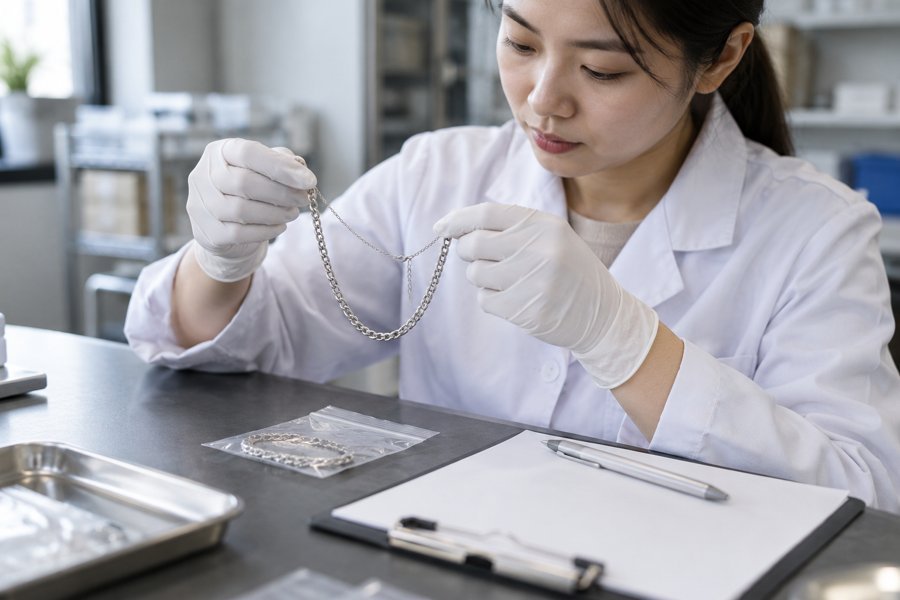
Check the method, units, result, criterion and qualifications for each reported item. A result marked not detected must be read with its detection or reporting limit. It does not mean the substance is absent at every possible measurement level.
Consult the ECHA restriction list when reviewing EU substance requirements. The laboratory should help identify the applicable test plan; a report covering one restriction is not automatically a complete market compliance package.
The ILAC signatory directory helps locate accreditation bodies and their facility directories. Check whether the laboratory’s relevant activities are covered by its scope. General accreditation status is not a substitute for method-specific review.
4. Check what changed after the report was issued
A report’s date is useful context, but applicability is not determined by age alone. Ask whether the material source, coating, component supplier, manufacturing process or intended market has changed. The buyer’s program or market requirements may also specify retesting expectations.
Use the reorder control guide to record changes and the decision about further testing. Assign an owner to unresolved questions instead of marking the report approved because the order deadline is approaching.
5. Keep claims inside the verified evidence
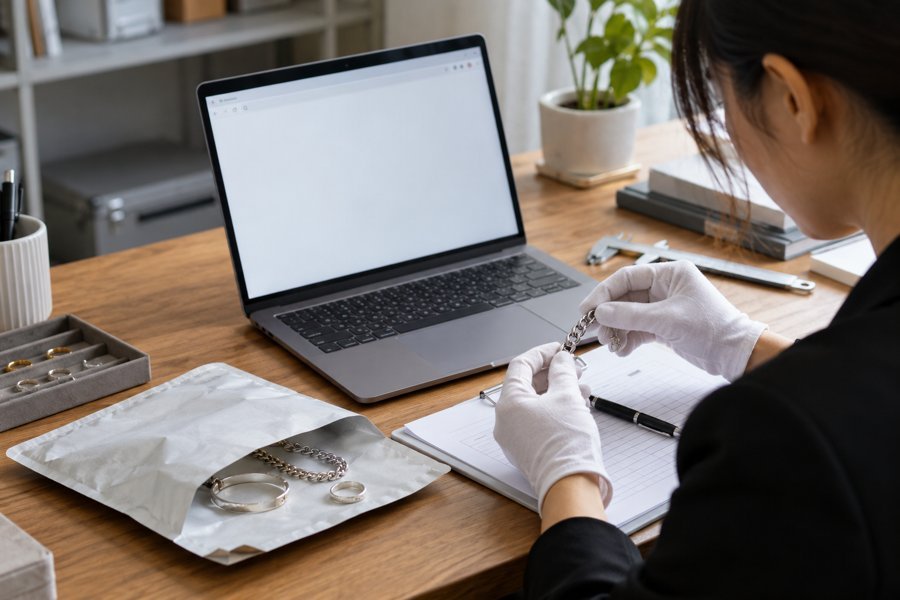
Prepare a short coverage note describing the tested sample, covered requirements and outstanding gaps. The FTC substantiation policy is a useful reference when considering whether the available evidence supports a marketing statement.
Store the report, verification correspondence and coverage decision with the purchasing record. A later buyer should be able to understand what was approved without reconstructing private chat conversations.
Buyer’s working checklist
| Verification step | Evidence | Reason to pause |
|---|---|---|
| Authenticity | Complete file and official laboratory confirmation | Missing pages or unconfirmed reference |
| Identity | Sample photos, SKU and construction | Different component or finish |
| Scope | Method, result, criterion and accreditation | Requested requirement not covered |
| Continuity | Change record since testing | Unreviewed material or process change |
Practical buying example
Illustrative decision: a supplier sends a lead and cadmium report for a pendant component while the purchase is an assembled necklace. Ask how the chain and clasp are covered and whether the tested finish matches. Keep the document on file while treating those gaps as unresolved.
Frequently asked questions
Does an SGS logo prove authenticity?
No. Use the issuing laboratory’s official verification route and retain the complete report.
Are older reports always invalid?
No. Evaluate changes, requirements and coverage. Age is one factor, not the whole decision.
Can one report cover several styles?
Sometimes a documented grouping rationale is possible. Ask the laboratory to assess it instead of extending coverage informally.
Discuss your sourcing requirements
Provide Yleryler with your destination market and required testing scope. Request documents tied to the proposed finished product and identify any testing gaps before order approval. Contact Yleryler about your project.
Prepared for B2B sourcing and product development. External sources support the linked technical background; the purchasing checklists and examples are suggested workflows. Confirm the current requirements and methods for your destination market with the responsible laboratory or adviser.