A jewelry nonconformance report should identify the product and lot, cite the agreed requirement, describe observed evidence, record inspected and affected quantities, state containment and proposed disposition, and identify responsible decision-makers. Keep confirmed findings separate from suspected causes and document reinspection before closing the report.
An email saying the necklaces are bad gives a supplier little information to investigate. A structured report converts the complaint into a defined requirement and traceable evidence. It also helps the buyer prevent unresolved goods from being released by mistake.
State the requirement and observed difference
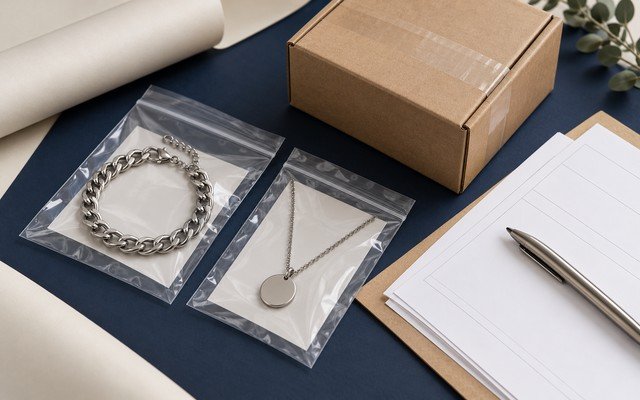
Reference the purchase order, SKU, variant and specification revision. Quote the relevant agreed requirement accurately, then describe what was observed. Attach photographs that show both the complete item and the affected feature, with item references that can be matched to the records.
Use the receiving inspection guide for evidence collection at arrival. Avoid writing a diagnosis such as poor plating when the confirmed observation is a local color change. The report should make clear what is known, what remains a hypothesis and what evidence is still required. Keep subjective disappointment separate from a measurable or approved appearance requirement.
Record the denominator and affected scope
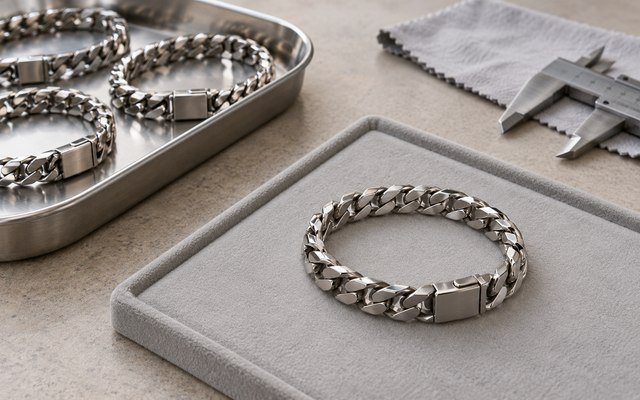
State ordered, received, inspected and affected quantities separately, using consistent units. Identify whether the figures concern individual pieces, pairs or complete assemblies. Explain how inspected items were selected. A defect count without the checked quantity cannot be interpreted reliably.
The GS1 traceability framework supplies traceability background. Link the findings to actual product and shipment references rather than assuming every similar SKU is affected. If the investigation expands to another lot, record why. Keep uncertainty about the full scope visible. An observed sample result does not automatically establish the condition of every unexamined item, and it should not be presented as a complete census.
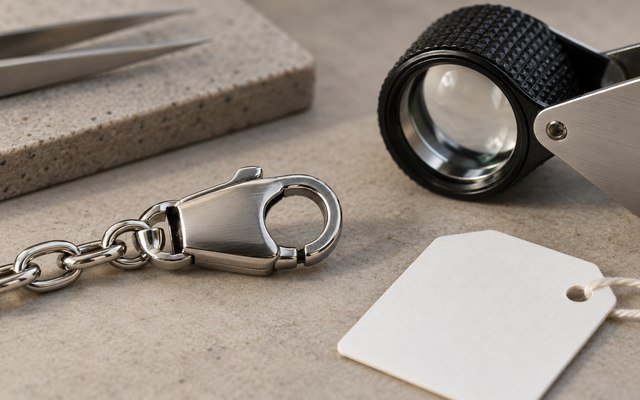
Separate containment from disposition
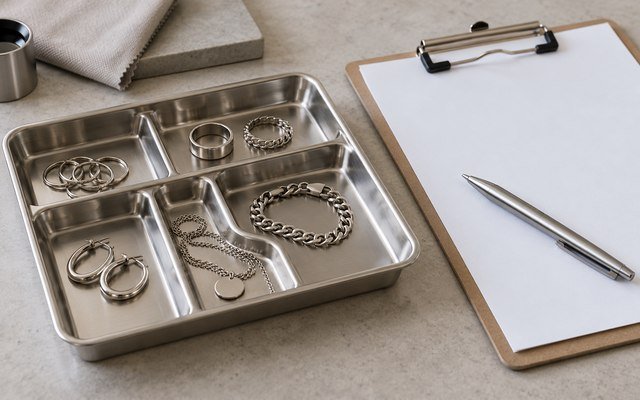
Containment prevents unintended use or shipment while the issue is reviewed. Disposition determines the authorized outcome, such as return, approved rework or another agreed route. Record the owner, location and status of held goods, and identify who can authorize their release.
The ISO quality management overview provides management-system context. Your report should translate that context into a clear practical decision trail without claiming product certification. Do not treat a supplier’s acknowledgement as approval to use the goods. Likewise, a commercial refund does not by itself establish that an affected product is suitable for resale. Keep the quality decision and commercial settlement distinguishable.
Close the report with evidence of the action
Document the confirmed cause when the investigation supports one, the authorized action and the verification result. A correction fixes the observed item; a broader corrective action should address the supported cause of recurrence. Avoid claiming that recurrence has been prevented merely because a replacement shipment arrived.
The TWI visual inspection guidance explains one inspection method. Select the reinspection approach for the actual issue and record its limits. Connect release to the batch QC decision plan. Include the decision date and approver, and retain unresolved questions if closure is conditional. A report is useful when another reviewer can reconstruct what happened and why the final decision was made.
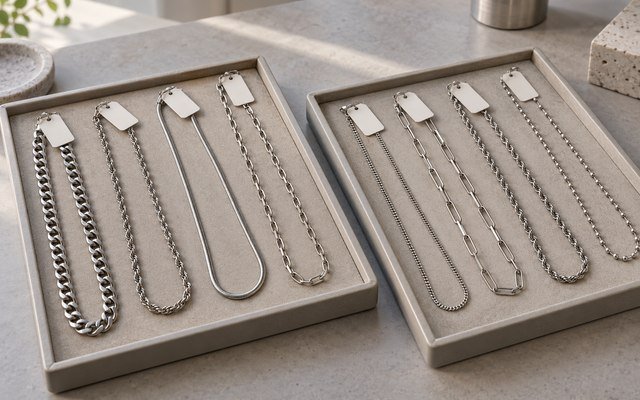
Buyer’s working record
Use these fields as a starting point and adapt the acceptance basis to the actual product. This is a proposed purchasing worksheet, not evidence of a completed Yleryler inspection.
| Field | Record | Decision purpose |
|---|---|---|
| Identity | PO, SKU, lot and revision | Match the affected goods |
| Requirement | Approved criterion and observed deviation | Separate fact and hypothesis |
| Scope | Inspected and affected quantities | Preserve the denominator |
| Closure | Action, verification and approver | Release only by the agreed route |
Illustrative purchasing example
Hypothetical example: five necklaces have intermittent clasp operation among the units examined. The report records the inspected quantity, item references, operating method and lot. The supplier investigates the relevant component instead of being asked to explain an unsupported claim that the entire shipment is defective.
Approval and follow-up workflow
Assign a report identifier and preserve updates rather than overwriting the original observations. Keep attachments named by product and item reference. Record supplier responses, investigation evidence and decisions in chronological order. If photographs change after cleaning or repair, retain the earlier versions. A concise report can be effective, provided it preserves the requirement, evidence, affected scope and authorization trail.
Frequently asked questions
Must a report include a confirmed root cause immediately?
No. Record verified observations first and identify causes as hypotheses until supported.
Does an NCR automatically reject the entire order?
No. Scope and disposition follow the agreed requirements and evidence.
What closes an NCR?
An authorized decision supported by the required action and verification evidence.
Discuss your wholesale jewelry requirements
Planning a stainless steel jewelry order? Send Yleryler your drawings or SKU references, complete assembly details, intended quantities, finish, destination market and the requirements discussed above. Include the approved sample revision and any independent inspection or testing expectations so the project can be reviewed before a quotation is prepared. Contact Yleryler with your product brief.
Prepared by the Yleryler editorial team for B2B purchasing. Technical links checked on 13 October 2026. Linked sources support background concepts; the worksheets and hypothetical examples are proposed workflows. They do not certify a Yleryler product or replace product-specific assessment.