Your wholesale jewelry shipment arrives just before a collection launch. The cartons look intact, but several necklaces have tangled chains and one pair of earrings has a loose closure. Should your team unpack everything, contact the supplier immediately, or release the order to stock?
A wholesale jewelry receiving inspection should confirm shipment identity, reconcile quantities, compare selected products with the approved specification, and record any problems before stock is released. Separate affected items, preserve packaging evidence, and agree the next action with the supplier.
This guide focuses on the buyer’s warehouse after delivery. It complements pre-shipment inspection and gives purchasing teams a practical way to turn “something looks wrong” into a clear, traceable report.
1. Prepare the reference before opening cartons
Have the purchase order, final packing list, approved sample record and SKU images available. Receiving staff should not need to guess whether a gold necklace is the correct length or whether an earring listing means one piece or one pair.
For a stud-earring shipment such as Stainless Steel Stud Earrings, keep the product reference, agreed pair quantity, backing configuration and approved sample attached to the receiving record.
If a formal acceptance-sampling system is agreed for receiving, consult ISO 2859-1 acceptance-sampling overview and record the applicable edition and settings. A few informal checks are not evidence that the standard was followed.
Create a receiving sheet with columns for SKU, variant, ordered quantity, received quantity, checked quantity and findings. Identify the person who can release stock and the person responsible for contacting the supplier. For variant-heavy orders, follow the same identifiers used in your jewelry SKU and packing-list system.
2. Photograph the shipment as received
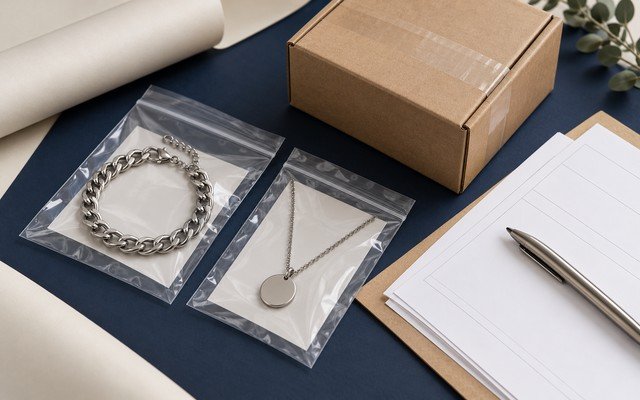
Count cartons and photograph labels, seals and any visible damage before unpacking. If a carton is wet, crushed or open, record its number and keep its contents identifiable. Preserve relevant packaging while the issue is investigated.
Take overview photographs as well as close-ups. A close-up of a bent earring post shows the problem; a wider image connects it to the pouch, carton and shipping label. Avoid combining affected products from different cartons before their origin has been recorded.
3. Reconcile quantities by sales unit
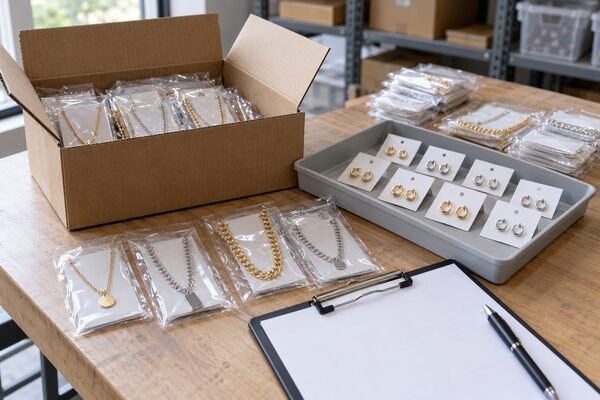
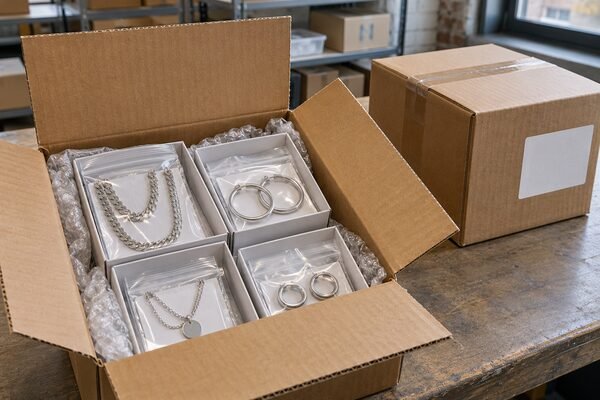
Count the units your business actually sells. Earrings may be packed as pairs, while necklaces are usually counted individually. Record this explicitly. A carton containing 100 individual earrings is not necessarily a shipment of 100 sellable pairs.
Check size, color and packaging variants separately. The correct total quantity can hide a wrong assortment. For example, an illustrative order of 200 necklaces may require 100 gold and 100 silver units; receiving 150 gold and 50 silver still leaves a variant shortage.
| Receiving check | Record | Reason |
|---|---|---|
| Carton identity | Label, carton number and condition | Connect findings to the shipment |
| Quantity | SKU, variant and piece/pair unit | Expose shortages and assortment errors |
| Product match | Reference revision and measurements | Avoid checking against an outdated sample |
| Function and finish | Method, checked units and findings | Make the report reproducible |
| Disposition | Released, held or awaiting review | Prevent uncertain stock entering sales |

4. Inspect products against an agreed reference
Compare the selected units with the accepted physical sample and written specification. Review visible finish, logo placement, dimensions and assembly. Use consistent lighting for color comparisons, and record how length or diameter was measured.
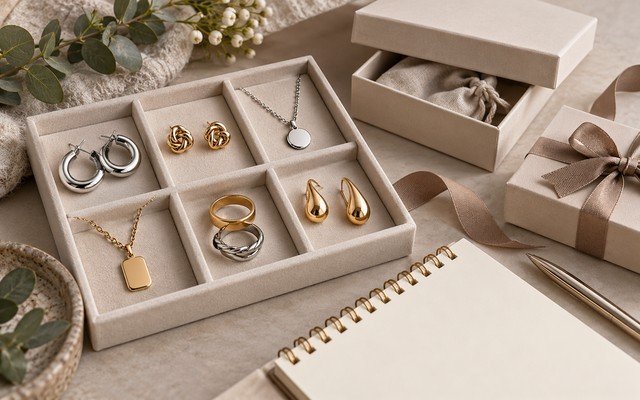
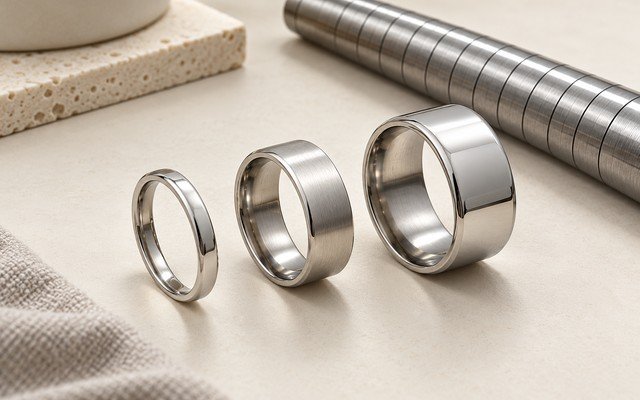
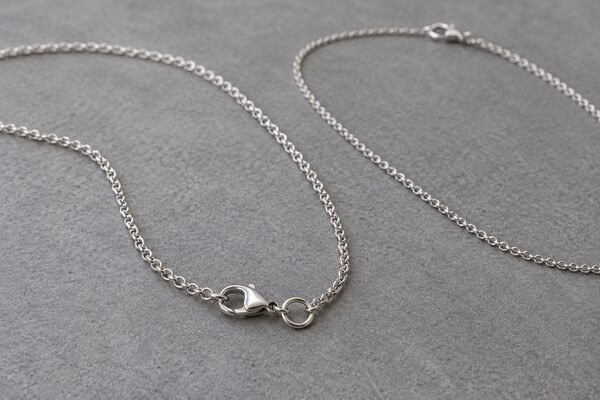
For necklaces, check clasp operation, pendant orientation and chain attachment. For earrings, check pair matching, post alignment and closure. For rings, compare the ordered size and profile using the agreed measurement method. Follow design-specific handling instructions rather than forcing or bending products to “test” them.
Set the inspection scope before starting. The number of units checked and acceptance criteria should reflect the order, product risks and buyer-supplier agreement. A quick check of a few convenient pieces cannot establish that every unit is acceptable. Spread checks across relevant cartons and variants; if problems appear, hold affected stock and agree whether inspection should expand.
Copyable wholesale jewelry receiving inspection template
Copy the headings below into a spreadsheet and add one row per SKU, color, size and carton where necessary. Record both the inspected quantity and the number of affected units; do not treat unchecked units as passed.
| SKU / variant | Ordered / received | Checked / affected | Finding / evidence | Disposition / owner |
|---|---|---|---|---|
| NK-001 / gold | 100 / 100 pcs | 20 / 2 pcs | Clasp does not close; photos 01–02 | Hold affected units; buyer QC |
| ER-003 / silver | 40 / 40 pairs | 10 / 0 pairs | No issue observed in checked sample | Release subject to agreed plan; warehouse lead |
Illustrative entries only—not Yleryler customer inspection results. Add purchase order, carton ID, inspection date, sample reference, reviewer, supplier response deadline and final close-out date to your working sheet.
Practical example: a necklace clasp problem at receiving
Consider a hypothetical warehouse delivery containing 100 gold-tone stainless steel necklaces. The buyer checks 20 pieces distributed across cartons and finds two clasps that fail to close under normal handling. Rather than assuming all 100 units are defective—or that only two are—the receiving team documents the two affected pieces, records the carton IDs and test method, quarantines the affected stock, and asks the supplier whether to expand checks under the agreed inspection plan. This approach connects inspection evidence to a purchasing decision without claiming an unverified root cause.
5. Report observations without guessing the cause
Use specific descriptions: “SKU N-04, silver, carton 3: two clasps did not close during normal operation among 20 units checked.” This is more useful than “the necklaces are poor quality.” Add clear photographs or a short video where movement explains the issue.
Keep observations separate from explanations. A scratch could relate to production, packing, transport or warehouse handling. The first report should establish what was found and where, while retaining the evidence needed to investigate. The wholesale jewelry packaging guide can help your team review how surfaces were protected.
6. Agree the resolution and close the record
Separate affected items from released stock. Send the supplier one consolidated report with the order number, SKUs, quantities checked, findings and requested response date. Distinguish confirmed affected units from quantities that remain unchecked.
Possible actions include further inspection, replacement, an agreed credit or an approved correction. Confirm the scope, cost responsibility and timing in writing. Do not begin repairs or discard packaging while the supplier still needs evidence to assess the issue.
Buyer’s takeaway: a receiving report should support a decision. Record what can enter stock, what is on hold, who owns the next step and when it must be completed. Carry confirmed improvements into your repeat-order product record.
Receiving decision example
Use these fields in your purchase order or sample review. Numerical values and IDs below are illustrative, not live product specifications, test results or confirmed commercial terms. Agree measurement methods, tolerances and acceptance criteria for your actual design.
| Field | Record or illustrative example | Verification before release |
|---|---|---|
| Quantity | 120 pairs ordered; 118 pairs counted — illustrative | Recount by SKU and carton; record a 2-pair shortage without changing the ordered sales unit |
| Condition | 3 affected pairs within the inspected quantity — illustrative | State checked quantity separately from total received; identify affected cartons |
| Disposition | Hold affected units pending written resolution | Name the reviewer, supplier response deadline and stock-release authority |
Frequently asked questions
What should buyers do when jewelry quantities do not match the packing list?
Recount the affected SKU in the correct sales unit (pieces or pairs), then compare carton labels, the purchase order and packing list. Document shortages or variant mismatches by carton, photograph supporting labels and notify the supplier before adjusting the inventory record. Keep the discrepancy open until the quantity and remedy are confirmed.
How many jewelry pieces should be inspected upon receiving a wholesale shipment?
There is no universal sample size suitable for every order. Define sampling and acceptance criteria in advance, based on SKU quantities, product risk, contractual requirements and any agreed inspection standard. Distribute checks across cartons and variants. If defects are detected, quarantine affected items and agree whether additional or 100% inspection is necessary.
What evidence is needed when reporting damaged wholesale jewelry?
Provide the purchase order, SKU and variant, sales unit, carton identification, quantities inspected and affected, and precise defect descriptions. Attach close-up photographs or short videos alongside wider images showing packaging and labels. Reference the approved sample or specification and state which items are held, then request a written resolution and deadline.
Planning your next wholesale jewelry order?
Work with Yleryler to confirm stainless steel jewelry specifications, inspection checkpoints, SKU labeling and packaging requirements before production. Send us your product designs or reference images, quantity by variant, preferred finish, packaging instructions, delivery destination and target launch date. We can review your receiving checklist alongside the quotation and sample approval process so expectations are clear before an order is placed.
Request a Wholesale Jewelry Quote
Images are AI-generated educational illustrations, not photographs of an actual shipment. Product acceptance should follow your approved samples and written specifications.