Passivation is a surface treatment used on stainless steel parts to address specified surface contamination and support the intended corrosion-resistant surface condition. For jewelry buyers, it is a process question that needs a defined purpose, compatible components and verification. It is not a substitute for the correct alloy, sound manufacturing or product-specific testing.
A purchasing brief should explain why the treatment is being requested. Is there evidence of free-iron contamination after fabrication? Is a bare steel component being prepared for a particular use? Asking these questions is more useful than adding passivated to every product description without a process record.
Understand the surface rather than the marketing term
Stainless steel relies on a thin passive surface film for its corrosion resistance. Fabrication, contamination and unsuitable handling can affect the condition of that surface. BSSA's passivation guidance explains the role of chemical treatments and the checks used to evaluate residual iron contamination.
ASTM A967/A967M describes chemical passivation treatments for stainless steel parts and alternative tests for evaluating treatment effectiveness. Its published scope does not recommend one treatment or acceptance criterion for every application. A jewelry purchase therefore still needs an application-specific agreement.
Images are editorial illustrations, including AI-generated concepts. They are not photographs of verified production, test results or approved customer samples.
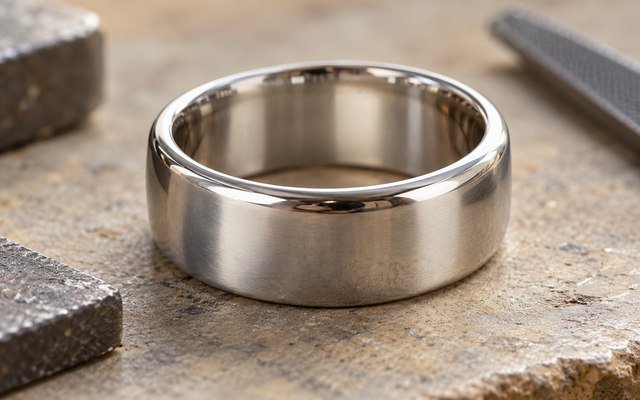
Distinguish passivation from polishing and pickling
Polishing changes surface texture and appearance. Cleaning removes particular residues. Descaling or pickling addresses conditions that are not necessarily resolved by a passivation step. These operations can be related within a manufacturing sequence, but their names should not be treated as interchangeable.
Ask the manufacturer to describe the actual sequence in ordinary language. Identify the condition before treatment, the intended result, the stage at which the part is treated and the verification to be performed. Request the applicable specification and revision when a standard is named.
The buyer does not need an improvised chemical recipe. Chemical selection, concentration, operating conditions, handling and disposal belong with a competent process provider. Purchasing teams should specify the outcome and evidence while ensuring the process is suitable for the proposed product.
Review the complete jewelry construction
A plain steel ring presents different questions from a finished necklace containing plated elements, soldered joints, adhesive, enamel, stones or a spring mechanism. The treatment provider should review the complete material list before an assembled item is exposed to a process intended for bare stainless steel parts.
Document which components are included and which must be treated separately. Confirm whether the sequence occurs before coating, before stone setting or before final assembly. Do not assume a process suitable for an uncoated steel coupon is suitable for every assembled jewelry item.
Pay attention to recesses, hollow areas and interfaces that may retain process liquid or cleaning residues. Ask how the supplier controls rinsing, drying and subsequent handling. These are manufacturing review questions, not evidence that a particular batch has passed them.

Request records that answer the actual concern
Useful process evidence identifies the parts or production lot, the treatment provider, the selected specification, the treatment date and the verification method. The record should make clear whether testing concerned a representative component, a witness sample or finished items.
Agree on how results will be interpreted before testing begins. A visual appearance check, a contamination test and a corrosion exposure test answer different questions. A clean-looking sample is not proof of alloy identity, nickel release performance or indefinite resistance to every environment.
Use a simple release checklist:
- Product and component scope are identified.
- Treatment sequence and compatibility are agreed.
- Verification method and acceptance decision are recorded.
- Rinsing, drying and handling controls are defined.
- Any required downstream finish checks are completed.
This keeps passivation evidence connected to the purchase specification instead of collecting a process label with no practical meaning.
Protect the surface after treatment
Post-treatment contamination can undermine an otherwise controlled process. Review storage trays, polishing tools, handling surfaces and packaging contact materials. BSSA's cleaning guidance is useful background for understanding why staining and surface deposits need investigation rather than an immediate assumption about the steel grade.
For a hypothetical bare pendant order, the buyer might identify one surface contamination concern, agree an appropriate treatment with the provider and retain a process record with the batch. A later coating or assembly change would trigger another compatibility review. This workflow avoids turning one successful sample into a permanent promise for all designs.
Passivation, polishing and pickling: a buyer comparison
| Process | Primary purpose | What it does not establish |
|---|---|---|
| Mechanical polishing | Change surface finish and remove some surface imperfections | Verified removal of all embedded contamination |
| Pickling | Remove certain oxides and scale under an appropriate controlled process | Compatibility with every assembled or coated jewelry component |
| Passivation | Reduce free-iron contamination and promote a suitable passive surface under controlled conditions | A permanent scratch-proof or corrosion-proof guarantee |
Hypothetical approval case
A polished 316L pendant shows rust-colored marks near a welded attachment. Before specifying treatment, document the contamination source, finishing sequence and any coatings or stones that may not tolerate processing. Agree an appropriate verification method and sample review rather than treating passivation as a universal remedy.
FAQ
Does passivation make stainless steel jewelry waterproof?
It does not establish an unlimited waterproof claim. Actual performance depends on the material, construction, finish, exposure and care conditions. Any product claim needs evidence that matches its intended meaning.
Is passivation the same as a PVD coating?
No. PVD concerns deposition of a coating through a different process. Passivation and coating decisions should be reviewed separately, including their manufacturing sequence and the components affected.
Must every wholesale order request passivation?
There is no useful universal purchasing rule. Review the manufacturing route, surface condition and application, then agree the necessary process controls and verification with a competent provider.
Editorial review and buyer-use limitations
This article is published by Yleryler for wholesale stainless steel jewelry sourcing and OEM/ODM specification review. The practical examples are illustrative, not verified customer orders, product certificates or legal advice. Buyers should verify material, technical claims and market-specific requirements against their actual approved specifications and the authoritative sources linked below. No individual professional qualification or independent third-party review is claimed.
Sources and further reading
These references support the material, regulatory or buying principles discussed above. Product-specific purchasing recommendations are practical guidance; an industry reference does not certify a supplied item. Sources reviewed on October 22, 2026.
- ASTM A967/A967M-25: scope of chemical passivation
- BSSA: passivation of stainless steels
- BSSA: cleaning methods and surface contamination
Related buying guides and product options
For the next purchasing step, read Mirror, Brushed or Matte Jewelry: Choose a Finish for Your Collection and What Jewelry Weld Inspection Should Wholesale Buyers Request?. Explore our stainless steel ring collection and contact Yleryler for an OEM/ODM sourcing review. Include your product type or drawings, estimated quantity, stainless steel grade and finish, destination market, required evidence or testing, preferred delivery terms and target date. We can then clarify the quotation scope and product-specific approval criteria. Material grade, process, evidence, MOQ, pricing and delivery are confirmed for the actual quotation and approved specification.