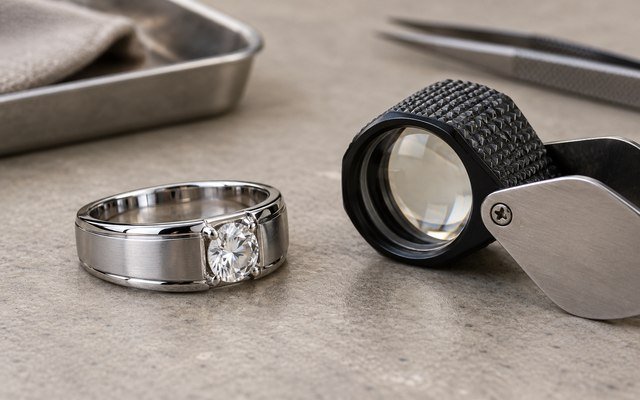
Cubic zirconia stones can loosen when the setting no longer retains them securely. Possible contributors include stone-setting mismatch, incomplete seating, altered retaining features, finishing damage or later impact and wear. A loose stone is an observation, not a confirmed cause; investigate the complete construction before selecting corrective action.
Sparkle attracts attention during sample approval, while stone retention can receive less scrutiny. For a wholesale order, the buyer needs evidence that stones and settings work together. This guide focuses on the retention investigation rather than promising that one stone grade guarantees secure assembly.
Identify the actual retention system
Determine whether the stone is held by prongs, beads, a bezel, adhesive or a combined method. Record the stone dimensions, cut and setting reference. Different retention systems need different checks, and a photograph may not reveal the actual contact points.
Use the stone specification guide to connect the decorative stone to the approved geometry. A commercial quality label does not replace dimensions or construction evidence. If two stones have similar face dimensions but different relevant profiles, investigate compatibility rather than assuming interchangeability. Keep the distinction between stone appearance and setting security explicit in the approval record.
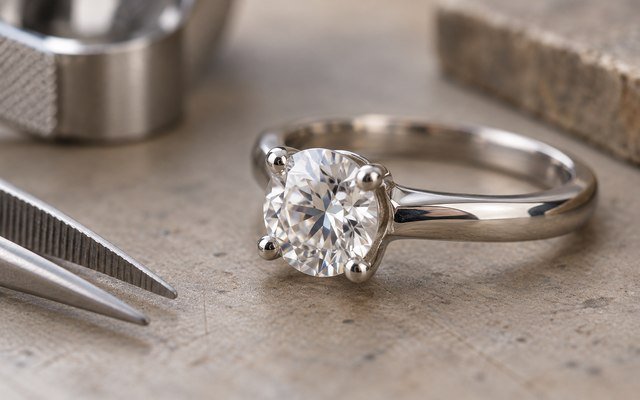
Examine seating and retaining features
Review accessible contact locations, alignment and any visible gap with suitable magnification. Do not force a stone to demonstrate movement or attempt a repair before documenting the finding. Ask the technical team to define a safe, repeatable retention check for the actual setting.
The GIA prong-setting bench guidance explains one reason a prong adjustment can fail to retain a stone. That example is not a universal repair procedure for stainless steel or every CZ setting. The GIA ring-setting guide provides broader construction context. Use these sources to frame questions, then obtain product-specific assessment. A centered appearance does not prove secure seating, and a distorted prong may require more than cosmetic repositioning.
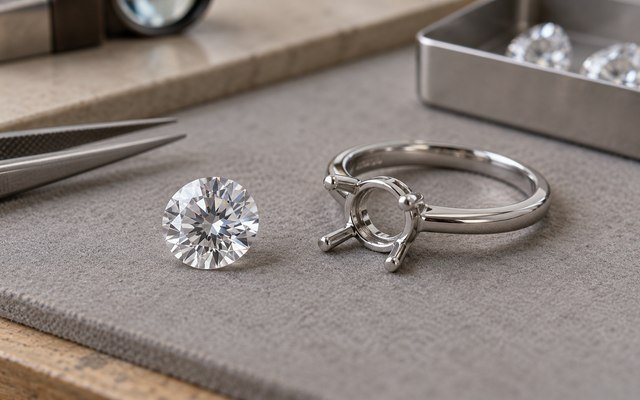
Review finishing, cleaning and use history
Establish when the issue was first found: before finishing, after packing, on receiving or during use. Collect the relevant process and handling records. Investigate whether any stage altered the retaining features or exposed the assembly to conditions outside the approved care instructions. Do not assign responsibility from timing alone.
The GIA jewelry care guidance notes that cleaning and handling must suit the jewelry. Its general guidance does not validate a specific cleaning method for your assembly. Preserve original evidence and ask qualified personnel to assess the setting. If a process change is proposed, review whether it affects the substrate finish, coating, neighboring stones or other functional parts.
Separate containment, repair and long-term correction
Identify affected units and linked lots, then agree whether stock should be held. Record the authorized repair method and required reinspection. Replacing one missing stone may restore appearance without addressing a repeated seating mismatch. Conversely, an isolated handling event should not automatically trigger redesign of every product.
Use the stone-set bracelet inspection guide for related complete-assembly checks. Require a documented explanation when a systemic cause is claimed, and verify the corrective action against the identified issue. Keep repaired pieces distinguishable until release. If the setting or stone specification changes, approve a revised sample rather than relying on photographs of the previous version.
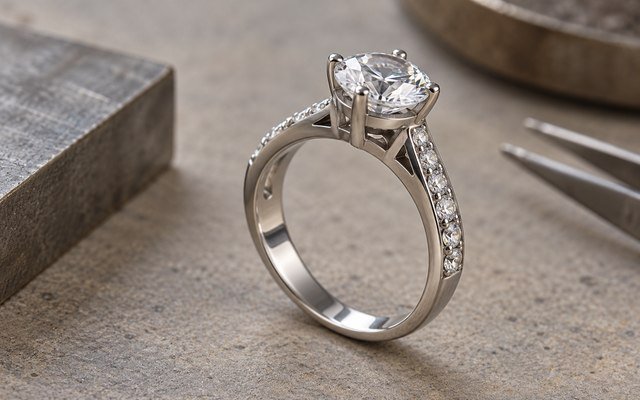
Buyer’s working record
Use these fields as a starting point and adapt the acceptance basis to the actual product. This is a proposed purchasing worksheet, not evidence of a completed Yleryler inspection.
| Field | Record | Decision purpose |
|---|---|---|
| Observation | Movement, missing stone or gap | Document before repair |
| Construction | Retention method and dimensions | Check the matched assembly |
| History | Process stage and handling evidence | Avoid unsupported blame |
| Disposition | Containment, repair and reinspection | Verify the agreed action |
Illustrative purchasing example
Hypothetical example: several stones move in one ring size but not the other sizes. Compare setting dimensions, stone references and finishing records by variant. A combined defect count would hide the pattern; a variant-linked investigation can identify which part of the approved construction needs review.
Approval and follow-up workflow
Define retention checks during development, including how they are performed and what findings trigger escalation. Inspect the complete finished piece after relevant processes, not only loose stones before setting. Keep traceable records of the stone and setting revision. When the design uses many small stones, identify the inspection approach in advance instead of assuming visual sparkle provides adequate release evidence.
Frequently asked questions
Does a higher CZ grade guarantee secure settings?
No. Commercial stone appearance labels do not establish setting geometry or assembly quality.
Should buyers tighten loose stones themselves?
Document the issue and obtain qualified product-specific guidance before repair.
Does a loose stone prove factory error?
It establishes a retention problem. The cause requires construction and history evidence.
Discuss your wholesale jewelry requirements
Planning a stainless steel jewelry order? Send Yleryler your drawings or SKU references, complete assembly details, intended quantities, finish, destination market and the requirements discussed above. Include the approved sample revision and any independent inspection or testing expectations so the project can be reviewed before a quotation is prepared. Contact Yleryler with your product brief.
Prepared by the Yleryler editorial team for B2B purchasing. Technical links checked on 13 October 2026. Linked sources support background concepts; the worksheets and hypothetical examples are proposed workflows. They do not certify a Yleryler product or replace product-specific assessment.