A buyer asks for a bright oval stone, and the supplier sends a sample that looks close in a message. Later, the production stones appear taller, darker or less evenly matched. The problem may begin with an incomplete stone specification rather than the finished setting.
A custom jewelry stone specification should identify the stone material, shape, dimensions, cut, appearance reference and setting requirements. Approve physical stones in the actual mounting, and record permitted variation. Supplier labels such as AAA or 5A should not replace a shared, verifiable specification.
1. Separate material identity from sales language
State the proposed stone material and any treatment or coating information relevant to the product. Cubic zirconia, glass and other decorative materials should not be treated as identical simply because the photograph looks similar.
Ask what the supplier’s quality label means in measurable or observable terms. If a grading label is proprietary, record its supplier reference and approve an actual sample. Do not imply that every supplier uses the same meaning for terms such as AAA.
2. Record dimensions that affect the setting
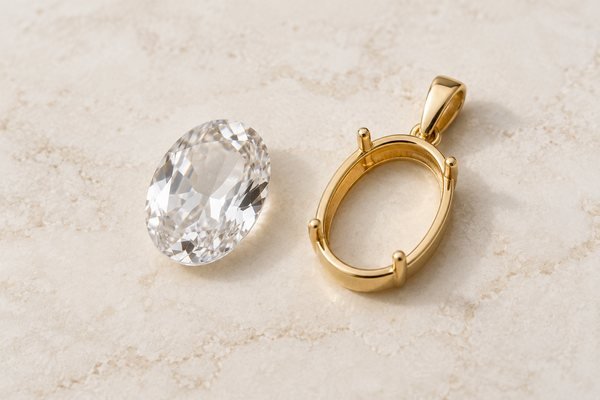
Specify length, width and height or depth as appropriate, together with shape and the relevant measurement method. A nominal 14 by 10 mm oval description does not explain every dimension needed to assess fit in a mounting.
Review the seating interface with the supplier before tooling or stone purchasing. A deeper stone may change the underside clearance or finished profile. Agree dimensional tolerances based on the actual stone and setting rather than copying values from an unrelated project.
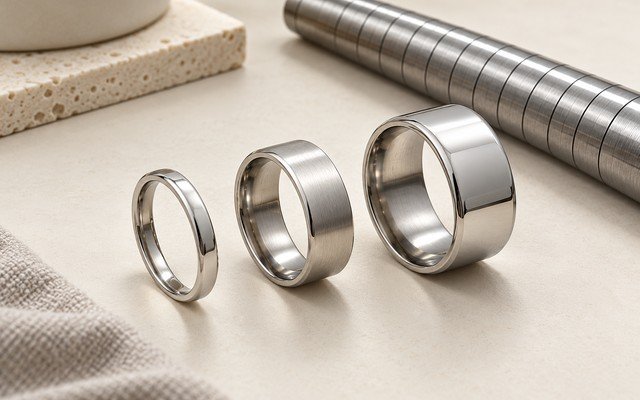
For a stone-setting project, consider Silver Stainless Steel CZ Engagement Ring as a design starting point. Confirm the actual stone identity, dimensions, cut and setting specification separately in the sample brief.
3. Approve appearance using physical references
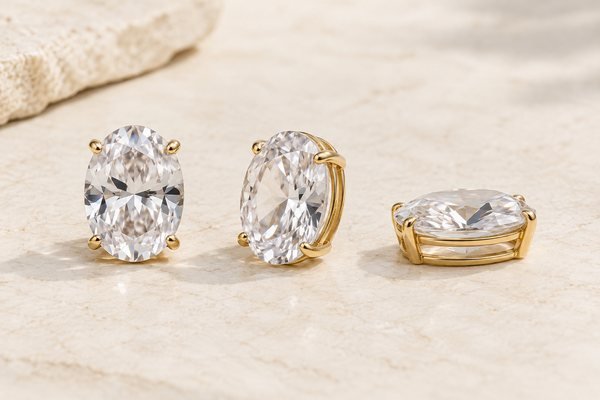
Compare stones under a recorded lighting setup and background. Review color, visible inclusions, surface condition and the intended visual effect. Keep a physical reference where practical because screens and photographs can shift color and apparent brilliance.
For matched pairs or a continuous stone row, assess the assembled arrangement as well as loose stones. A variation that is unobtrusive in a single pendant may become obvious beside adjacent stones. Record which comparisons matter for the specific collection.
4. Review the stone in the finished mounting
Check whether the setting covers too much of the face, creates an unwanted gap or changes the perceived color. Observe the underside and edges where contact occurs. Approve the complete product after the relevant finishing processes.
Stone retention testing, where needed, should follow an agreed product-specific method. Do not infer secure seating from sparkle or a catalogue grade. Separate visual matching, dimensional compatibility and retention into different approval decisions so each has clear evidence.
5. Use a controlled substitution record
The table below can become your stone specification sheet. Add supplier reference, sample identification, product SKU, revision and approval date. Attach close-up photographs and keep any accepted appearance range clearly described.
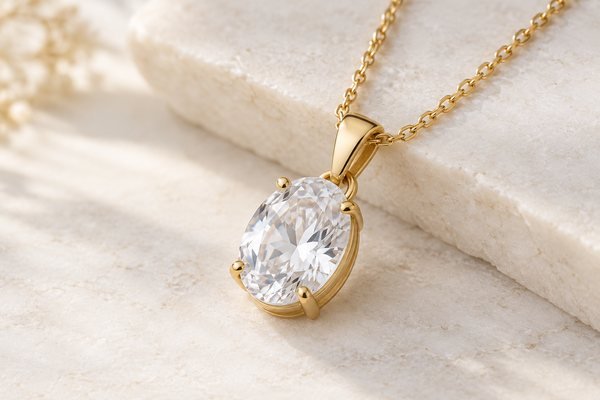
If the quoted stone becomes unavailable, request a proposed substitute with a comparison sample and cost or timing implications. A substitute with the same nominal face dimensions may still alter depth, appearance or seating. Obtain approval before it enters production.
Copyable buyer review template
Copy these headings into your working spreadsheet. Add the product SKU, sample revision, date, reviewer, findings, responsible person and final decision. Example fields are planning aids; acceptance criteria must be agreed for your actual product.
| Specification field | What to record | Review evidence |
|---|---|---|
| Identity | Material and supplier reference | Supplier declaration/sample |
| Geometry | Shape, dimensions and cut reference | Measurements/drawing |
| Appearance | Color and accepted visual range | Physical comparison |
| Mounting | Seating, clearance and retention method | Finished assembly |
Practical example — hypothetical
In a hypothetical pendant project, two stones share the same nominal face dimensions but have different depths. The replacement sits higher in the approved frame. The buyer records the actual depth, checks the side profile and asks the supplier to review the seat before proceeding. The approved record then links the stone reference to the mounting revision. This is a worked example, not an account of a real customer order.
Stone purchase specification example
Use these fields in your purchase order or sample review. Numerical values and IDs below are illustrative, not live product specifications, test results or confirmed commercial terms. Agree measurement methods, tolerances and acceptance criteria for your actual design.
| Field | Record or illustrative example | Verification before release |
|---|---|---|
| Stone identity | Oval decorative stone / 14 × 10 mm nominal | Confirm material, treatment, height and supplier reference; tolerances remain project-specific |
| Appearance | Approved physical color and cut reference | Record viewing conditions and permitted variation rather than relying on AAA/5A alone |
| Setting | Named mounting and finished sample revision | Confirm seat compatibility, visible alignment and the agreed retention check |
Frequently asked questions
Does a 5A label guarantee the same stone quality from every supplier?
No. Ask the supplier to define the label and approve a physical reference. Record the material, dimensions, appearance and agreed inspection criteria rather than relying on the label alone.
Use GIA guide to imitation gemstones when clarifying gemstone descriptions. Confirm the proposed stone identity separately from its dimensions, cut and visual approval.
Can buyers approve stones from photographs only?
Photographs are useful for preliminary review but have limits for color, depth and visual matching. Use physical references and finished assemblies when these details affect the purchasing decision.
When does a stone substitution require another sample?
Request another sample when the substitute may change appearance, dimensions, cut, seating or retention. The buyer should assess the impact before approving production with the replacement.
Related buyer resources
CAD review before tooling · tennis bracelet inspection · sample approval records
Discuss your wholesale project with Yleryler
Send Yleryler your stone material preference, shape, target dimensions, color reference, product drawings, finish and quantity by variant. Include acceptable substitution rules and sample-review priorities so development and quotation cover the intended appearance.
Request a Product-Specific Wholesale Quote
Images are AI-generated product concepts for educational illustration, not photographs of actual Yleryler stock, tooling or customer orders. Dimensions and product performance must be reviewed using the actual approved sample.