A tennis bracelet can photograph beautifully while hiding an uneven setting, a stiff joint or an unreliable closure. Sparkle attracts attention, but the buyer needs a repeatable way to judge the assembled product before shipment.
Tennis bracelet quality inspection should cover identity, dimensions, stone seating, articulation, closure and packaging. Agree the inspection method and defect decisions in advance, retain evidence, and resolve failures before release. A visual check alone cannot prove every performance claim.
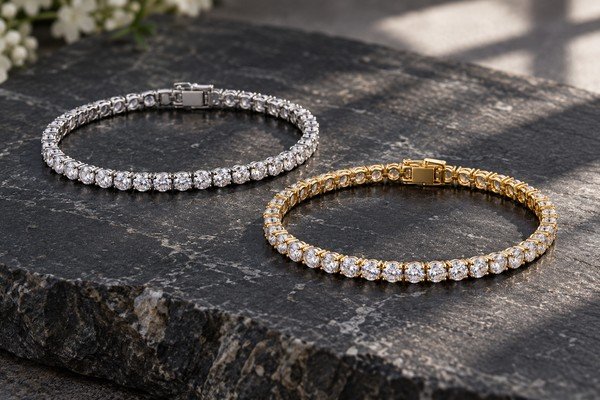
This field guide uses stainless steel bracelets with clear decorative stones as an example. Adapt the checklist to the actual design, setting construction and intended customer.
Begin with the approved product identity
Match the goods to the purchase order, drawing and retained sample. Confirm bracelet length, width, finish, stone specification and closure configuration. A similar-looking sample from an earlier project is not an adequate reference.
For a project based on Gold Stainless Steel Tennis Bracelet, confirm the proposed stone setting, closure and finished dimensions before writing the inspection sheet. The checks should follow the selected sample’s actual construction.
Record how the bracelet is measured. State whether length includes the closure, and define how an adjustable version is positioned during measurement. Width should refer to a specified location rather than whichever point is easiest to reach.
Identify the production lot and the quantity presented for inspection. If goods are still being finished, the report should not imply that the complete shipment has been checked.
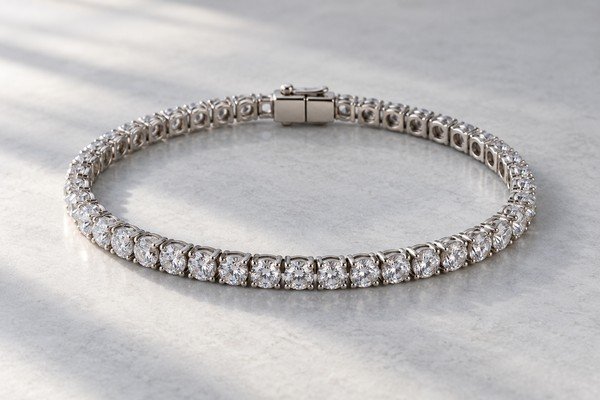
Read the stone line as a whole
Lay the bracelet flat and inspect alignment, spacing and consistency. Look for visibly tilted, missing, chipped or mismatched stones. Then examine the settings and surrounding surfaces under the agreed viewing conditions.
Use magnification where the inspection plan calls for it. Keep the difference between normal visual acceptance and close examination explicit; changing the method halfway through inspection makes decisions hard to defend.
Do not describe a stone as secure merely because it remains in place during photography. If retention testing is required, agree a suitable method and acceptance criteria with the supplier or relevant specialist. Avoid improvised tests that could damage goods without producing meaningful evidence.
Check how the bracelet moves
Gently articulate the bracelet through its intended range of movement. Identify stiff sections, twisted links and areas that do not settle consistently. Do not force the piece beyond its intended geometry.
Compare multiple units where appropriate. A single smooth sample does not establish consistent assembly throughout a lot. Record whether the problem appears isolated or repeats at the same location.
A change in link or setting design may affect articulation even when the overall length stays unchanged. Make sure the production version reflects the approved construction.
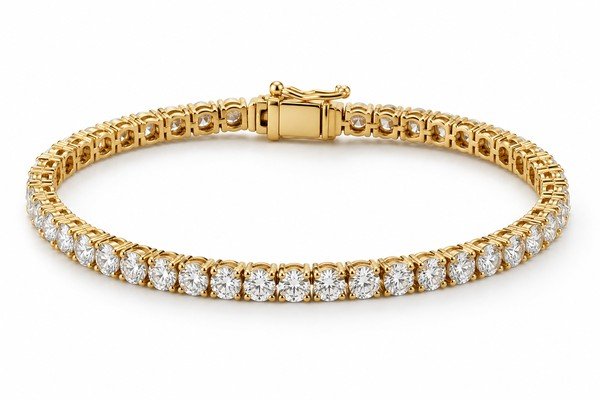
Treat closure checks as a separate decision
Open, close and handle the clasp using the agreed procedure. Check engagement, alignment and any secondary catch. For adjustable bracelets, review the intended adjustment function and end stops instead of applying a fixed-clasp checklist blindly.
Assess the closure together with its neighboring links. A misaligned connection can make a sound clasp awkward to use. Document the exact location and sample ID when reporting a concern.
| Observed issue | What to record |
|---|---|
| Missing or damaged stone | Location, count and clear close-up |
| Stiff link | Position and movement under the agreed check |
| Closure problem | Configuration and repeatability |
| Length discrepancy | Measurement method and actual result |
Agree what happens when a check fails
Classify issues and acceptance rules before inspection. If a sampling plan is used, identify the plan, lot definition and sampling approach rather than writing only “AQL passed” on a report. The official ISO 2859-1 overview of acceptance sampling by attributes is a useful reference when agreeing a sampling system. Record the edition and agreed inspection settings; citing a standard alone does not show that a shipment passed inspection.
Keep rejected or held goods distinguishable from accepted pieces. Record any rework and define the reinspection scope. A verbal assurance that the issue has been fixed should not replace the agreed release evidence.
For a new product, review the development path through our ODM jewelry manufacturing guide. Production inspection should verify the settled specification, not become the first design review.
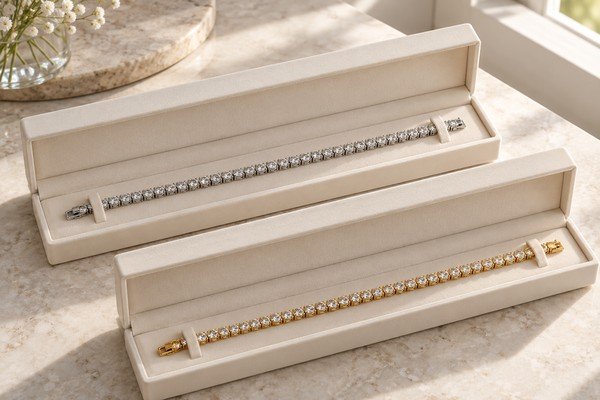
Inspect the packed sales unit
Verify that the bracelet is protected from rubbing and excessive bending in the chosen package. Check the correct finish and length label, unit count and carton identification.
Inspect packaging after representative handling where the project calls for it. A visually attractive insert may still allow the bracelet to move or catch on the lining. Review the complete packing arrangement, including how it is removed by the customer.
Keep the inspection report, photographs, sample references and shipment details together. This makes a later complaint easier to investigate and helps the next order benefit from what was learned.
My QC view: release should be a documented decision about the complete bracelet. Neither impressive sparkle nor a reassuring supplier message replaces that decision.
Separate defect evidence from the release decision
For a failed check, record the bracelet SKU, batch, sample selection, observed issue and photograph or measurement. State whether the goods are held, require rework or need further investigation under the agreed inspection plan. Reinspect the affected criteria after correction. A photograph of one repaired bracelet does not release an entire unreviewed batch.
Use the clasp selection guide for closure questions, and the approval checklist to distinguish sample acceptance from shipment inspection.
Sample-level inspection evidence: what to retain
Ask the supplier to tie each inspection observation to a bracelet SKU, size, sample or lot identifier and the approved reference version. For the selected pieces, keep a straight-line stone view, both sides of the clasp, an articulation view and a packed-unit view. Attach measured values where the specification sets numerical limits; photographs alone do not prove clasp strength, stone retention or metal composition. A release decision should distinguish cosmetic observations from safety- or function-related failures.
Tennis bracelet inspection report row
Use these fields in your purchase order or sample review. Numerical values and IDs below are illustrative, not live product specifications, test results or confirmed commercial terms. Agree measurement methods, tolerances and acceptance criteria for your actual design.
| Field | Record or illustrative example | Verification before release |
|---|---|---|
| Identity | SKU, sample revision, length and stone reference | Confirm measurement endpoints and finished width |
| Function | Articulation, closure and agreed stone checks | Record checked units and the defined method; visual sparkle does not establish retention |
| Disposition | Finding location, evidence and responsible approver | Separate cosmetic observations from function failures; repeat relevant checks after correction |
Inspection questions
Should every bracelet be checked?
The scope depends on the product, risks, order requirements and agreed plan. Critical function checks may need a different approach from cosmetic sampling.
Does a passed inspection guarantee no defects?
No. The report should state what was checked, how and on which units, including the limits of the method.
Discuss your bracelet inspection requirements with Yleryler before confirming the production order.
Images are AI-generated design illustrations. Confirm actual products and specifications against approved samples.
Can inspection photos prove stone retention or clasp strength?
No. Photos document visible conditions. Any measured performance claim requires the agreed method, setup, tested units and results for the actual product.