Salt spray hours do not directly predict jewelry coating lifetime because a controlled corrosion exposure is different from real wearing conditions, abrasion, cleaning and chemical contact. Use the result as evidence within a defined test and comparison. Do not convert hours into years of wear without a valid product-specific correlation and supporting evidence.
Why does a coating described as passing many salt spray hours still need other checks? A laboratory corrosion environment isolates some conditions while leaving out others. Buyers should first understand the test setup and observed outcome, then decide which actual-use questions remain unanswered.
1. Understand the test’s role
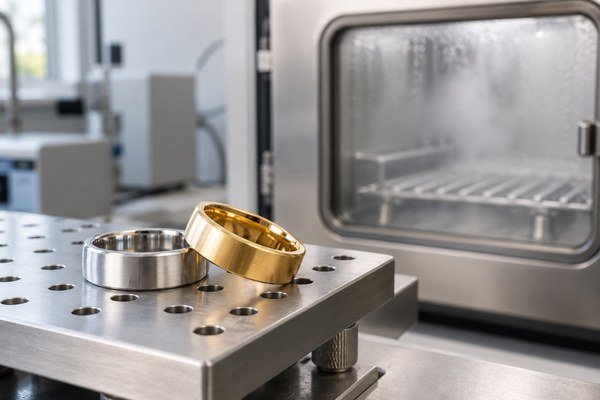
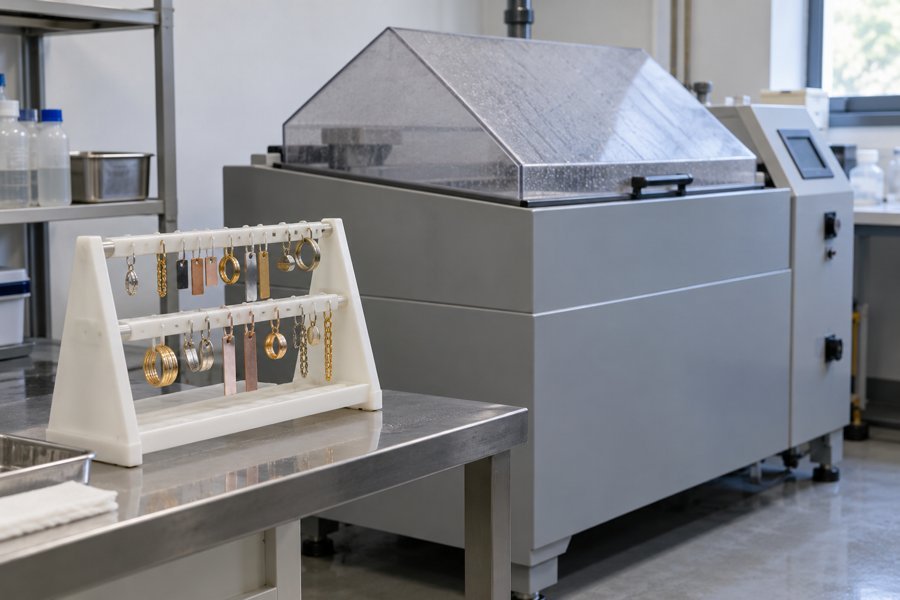
ASTM B117’s published scope and significance describe a controlled corrosion environment and caution against using standalone salt spray results to predict natural-environment performance. That limitation matters when a quotation translates test hours into a consumer durability promise.
Ask which procedure and edition were used, what specimens were exposed, and how results were assessed. A statement such as passed 48 hours is incomplete without the acceptance criterion. It might refer to an appearance check, corrosion observation or another defined outcome.
2. Compare like with like
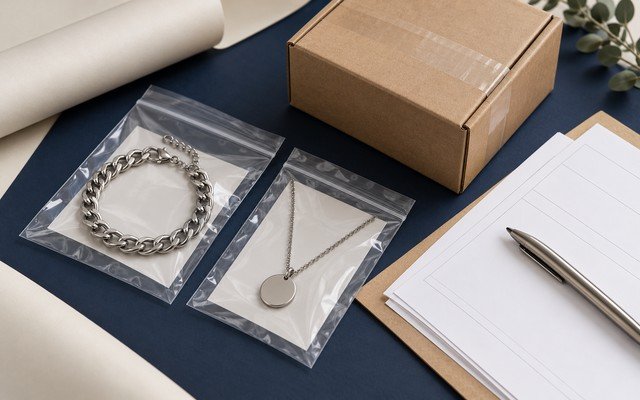
Check that comparisons use the same construction, substrate, finish, preparation, exposure and assessment method. If one specimen is a flat coupon and another is a finished articulated bracelet, differences in geometry and contact may complicate the comparison.
Record sample photographs before and after testing, including edges, joints and high-contact surfaces. Specify whether cleaning preceded assessment. Preserve any departures from the method so a later reviewer understands the result’s limits rather than treating every report as interchangeable.
3. List what the test does not answer
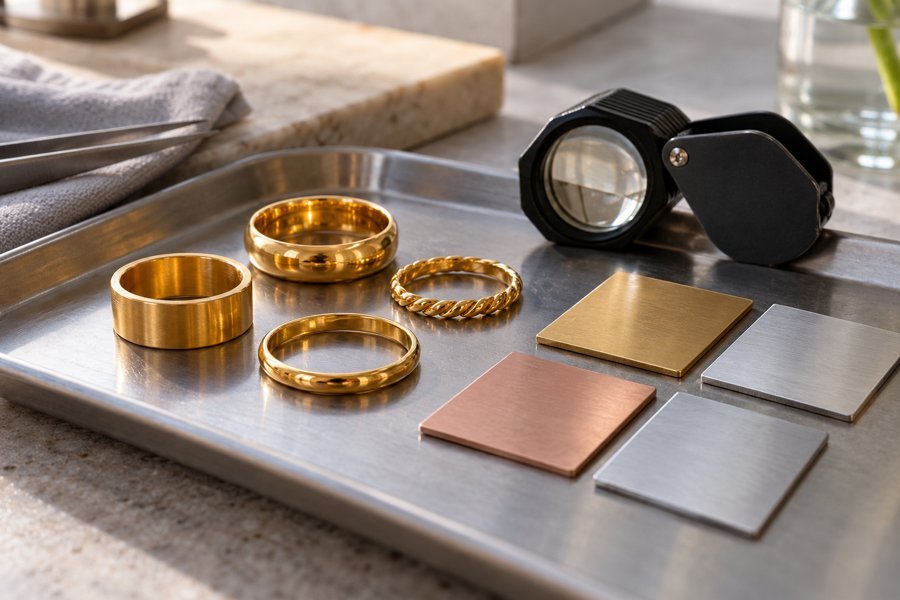
Jewelry encounters rubbing, impacts, cleaning products, perspiration and different storage conditions. A corrosion exposure does not automatically establish abrasion resistance, adhesion, stone retention, clasp reliability or a chemical-compliance result.
Use the surface finish selection guide to define appearance requirements and the PVD color reference to define shade acceptance. Keep those records separate from the corrosion report, while linking them to the same approved construction.
4. Build a claim-specific evidence plan
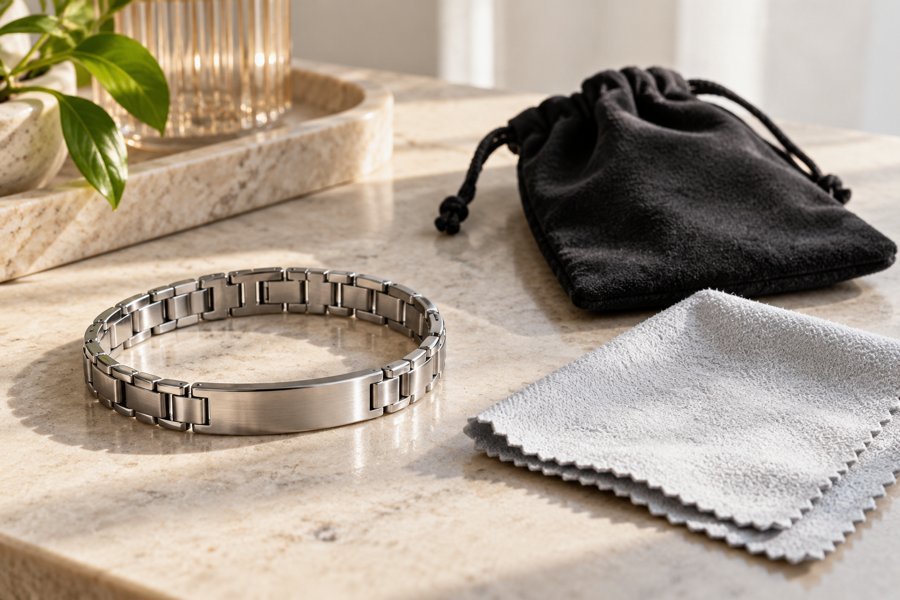
Write the claim you intend to make before selecting testing. A comparison between two finish options is a different objective from a lifetime statement. Ask a competent laboratory what evidence would be appropriate and whether a real-use correlation exists for the specific system.
Use the ILAC directory to find relevant accreditation information. Verify the laboratory’s scope and capability, then keep its technical recommendations with the purchasing record.
The FTC substantiation policy provides a reference for matching objective claims to prior evidence. More test hours do not automatically authorize broader words such as permanent or lifetime.
Buyer’s working checklist
| Question | Salt spray evidence may help | Additional evidence needed |
|---|---|---|
| Which finish behaves better under this exposure? | Comparable specimens and assessment | Matched test setup and limitations |
| Will the surface resist rubbing? | Not a direct wear measurement | Appropriate abrasion or use assessment |
| How many years will it last? | No direct hours-to-years conversion | Validated product-specific correlation |
| Does it meet chemical requirements? | Not established by corrosion hours | Applicable chemical testing |
Practical buying example
Illustrative buyer comparison: two bracelets have reports with different exposure durations, but the reports use different specimens and acceptance rules. Ask for an aligned comparison before ranking the suppliers. If your main concern is visible wear at the closure, request evidence addressing that contact area rather than more corrosion hours alone.
Frequently asked questions
Are salt spray results useless for jewelry?
No. They can answer defined comparative or acceptance questions when the method, specimens and criteria are appropriate.
Can a supplier convert hours into years?
Only with a defensible product-specific basis. A general conversion factor should not be accepted as proof.
Should every coating receive the same test?
Select the assessment for the actual construction, intended use and claim. One method does not answer every durability question.
ASTM B117 versus ISO 9227: what jewelry buyers should compare
ISO 9227 defines salt spray test methods, including neutral salt spray and other specified exposures, while ASTM B117 specifies operation of a salt spray apparatus. Neither standard, by itself, assigns a universal number of service years to a decorative jewelry coating. Check the actual edition and laboratory scope before listing a method on a purchase order.
Which additional tests answer different durability questions?
| Question | Possible evidence | Important limitation |
|---|---|---|
| Corrosion in controlled exposure | Defined salt spray report and observations | Not a lifetime prediction |
| Color change under perspiration | Specified artificial perspiration assessment | Requires chemistry, exposure and evaluation details |
| Visible loss from rubbing | Relevant abrasion or simulated-use test | Must reflect contact geometry and load |
| Coating detachment | Appropriate adhesion assessment | Not a substitute for wear or corrosion evaluation |
A report stating 24, 48 or 72 hours without sample identity, exposure method, pass/fail definition and observed condition does not allow an evidence-based comparison. Do not turn these durations into a promise of months or years of consumer wear.
Product examples and a test-specification RFQ
When defining specifications for gold-finish necklaces or stainless steel chain bracelets, identify the exact finished SKU, coating reference, test method, intended use and acceptable outcome. Ask for a relevant, verifiable laboratory report if independent evidence is needed; no generic duration constitutes a Yleryler product test result.
Discuss your sourcing requirements
Ask Yleryler to identify the finish system and the exact performance question your testing should answer. Agree methods and acceptance criteria before using results in a product claim. Contact Yleryler about your project.
Prepared for B2B sourcing and product development. External sources support the linked technical background; the purchasing checklists and examples are suggested workflows. Confirm the current requirements and methods for your destination market with the responsible laboratory or adviser.