Stainless steel jewelry can feel sharp because of edge geometry, burrs, uneven finishing or exposed attachment features. A shiny surface does not establish comfortable edge treatment. Buyers should identify the contact location, compare it with the drawing and approved sample, and agree safe inspection and correction methods.
A pendant’s front may be perfectly polished while its rear rim catches fabric. The useful question is which feature creates the sensation and whether it matches the approved design. Treat edge condition as a separate buying requirement rather than an automatic consequence of mirror polishing.
Describe the finding precisely
Record whether the issue is a localized burr, a continuous thin edge, a rough patch or a protruding connection. Identify the surface that contacts skin, clothing or another component. Photograph the feature with enough context to locate it on the complete assembly. Avoid repeated bare-skin rubbing as an inspection method.
Use the CAD review checklist to connect the finding to edge treatment and geometry. Do not change a defect description to a diagnosis without evidence. A snag may come from a jump-ring opening or raised setting rather than the pendant rim. Separating these possibilities helps the supplier choose a correction that addresses the actual feature.
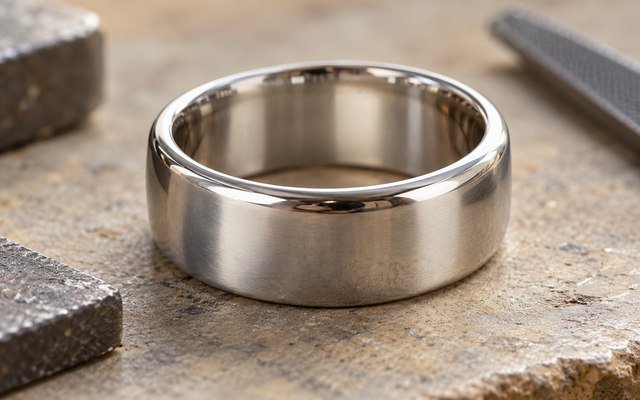
Separate surface texture from edge shape
Polishing changes the surface, but the outer shape and local edge transition still matter. A low roughness reading at one face does not establish a rounded edge elsewhere. Inspect the intended contact surfaces and compare their geometry with the approved drawing or physical reference.
The NPL surface texture measurement guide explains surface measurement. The NPL callipers and micrometers guide addresses dimensional measuring practice. These are different evidence categories, and neither supplies a universal comfortable edge radius for every jewelry design. When a radius or other geometry is specified, define where and how it is measured. For small curved parts, confirm the equipment can assess the feature without altering or obscuring it.
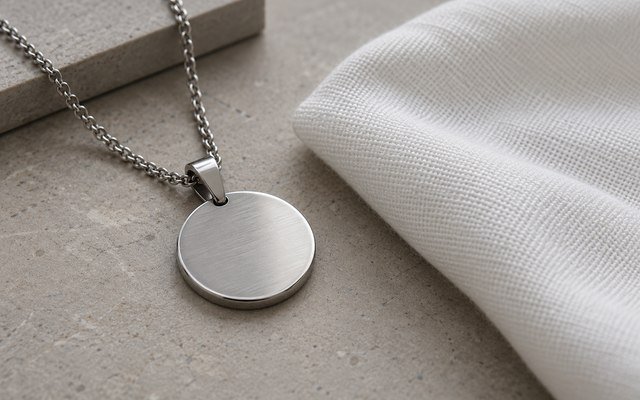
Review attachments and settings as part of the edge check
Look at clasp ends, exposed link openings, pin tips where relevant, setting features and decorative recesses. Functional points may intentionally have different geometry from skin-contact surfaces. Establish product-specific criteria rather than applying a blanket instruction to round every feature.
The GIA ring-setting guide discusses settings and snagging features in a gemstone context. Apply that background carefully to your construction; it is not a stainless steel manufacturing specification. Check the finished assembly after all attachments and stones are fitted. A smooth component can acquire a new contact issue during assembly. Record left and right pieces separately where the shape or orientation differs.
Approve corrections without creating a new mismatch
Before rework, document the finding and agree the correction route. Removing material can change dimensions, surface texture or a coating. A finish repair may be required after edge correction, depending on the construction. Inspect the complete result rather than checking only that the original snag has disappeared.
Use the sample approval record to capture the revised reference. Repeat relevant dimension, appearance and functional checks. Keep the earlier sample clearly identified so it cannot become the reference for a later order. If the original design intentionally includes a fine decorative edge, resolve its suitability before production instead of expecting inspectors to redesign it at shipment.
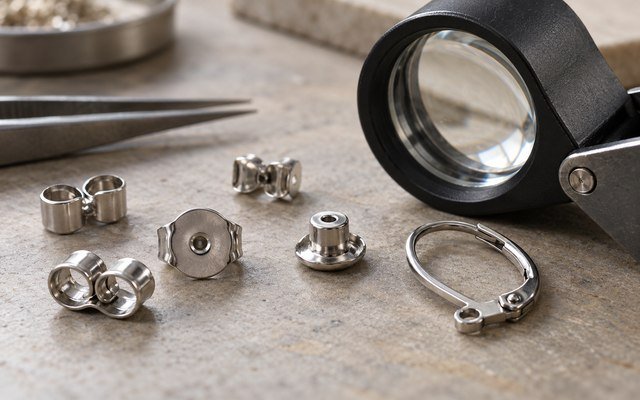
Buyer’s working record
Use these fields as a starting point and adapt the acceptance basis to the actual product. This is a proposed purchasing worksheet, not evidence of a completed Yleryler inspection.
| Field | Record | Decision purpose |
|---|---|---|
| Observation | Burr, rim, roughness or projection | Identify the actual location |
| Reference | Drawing and contact surfaces | Separate shape from texture |
| Method | Safe viewing or agreed fixture | Avoid uncontrolled skin testing |
| Correction | Rework, finish and reinspection | Review the whole assembly |
Illustrative purchasing example
Hypothetical example: a necklace catches a fine knit fabric near its clasp. Close examination finds an incompletely closed connector rather than a sharp pendant edge. Correct the connector and verify the assembly; extra polishing of the pendant would leave the original cause untouched.
Approval and follow-up workflow
Include contact surfaces in the original product brief. Ask for close views of the reverse, underside and connections, alongside the decorative front. Define approved limit examples when verbal descriptions are ambiguous. Review the finished item in the intended orientation and identify the decision owner for deviations. This provides a clearer acceptance basis than asking for a generally smooth or premium appearance.
Frequently asked questions
Does mirror polishing guarantee rounded edges?
No. Surface appearance and edge geometry require separate review.
Can a roughness measurement replace a comfort review?
No. It measures specified surface characteristics, not every geometry or wearing condition.
Should buyers test sharpness by rubbing against skin?
Avoid uncontrolled skin testing. Agree a safe, product-specific inspection method.
Discuss your wholesale jewelry requirements
Planning a stainless steel jewelry order? Send Yleryler your drawings or SKU references, complete assembly details, intended quantities, finish, destination market and the requirements discussed above. Include the approved sample revision and any independent inspection or testing expectations so the project can be reviewed before a quotation is prepared. Contact Yleryler with your product brief.
Prepared by the Yleryler editorial team for B2B purchasing. Technical links checked on 13 October 2026. Linked sources support background concepts; the worksheets and hypothetical examples are proposed workflows. They do not certify a Yleryler product or replace product-specific assessment.