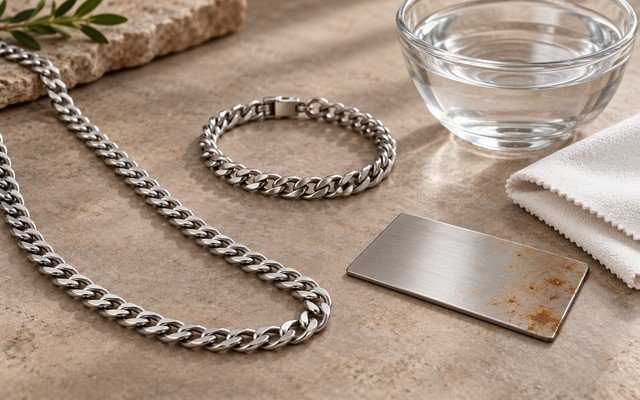
Stainless steel jewelry can develop brown surface staining when the material and surface condition are challenged by the exposure environment. However, not every brown mark is tea staining: transferred iron, dirt, cosmetic residue and coating damage can look similar. Wholesale buyers should document and investigate the mark before deciding that the alloy is wrong or the entire batch has failed.
Tea staining is commonly discussed in guidance for exposed stainless steel structures. That engineering background is useful, but jewelry adds small crevices, assembled parts, coatings and skin-contact conditions. Its exact cause and remedy need review on the actual product.
Separate an observation from a diagnosis
Record where the mark appears, when it was noticed and whether the item is bare stainless steel or coated. Photograph the whole piece and the affected area before cleaning. Note whether the condition concentrates near a clasp, weld, joint, recess or packaging contact point.
Ask what the customer means by rust. The description may refer to a removable deposit, a change in coating appearance or visible attack of the underlying surface. These are different observations with different possible causes. Avoid replacing the customer's words with an unsupported technical diagnosis.
ASSDA and worldstainless describe tea staining as a surface appearance concern associated with particular exposure and surface conditions. Their guidance also highlights the importance of material selection, design, finish and maintenance. It does not establish a universal jewelry service-life prediction.
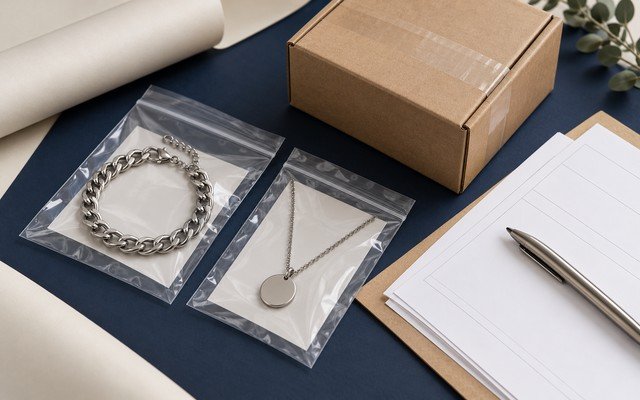
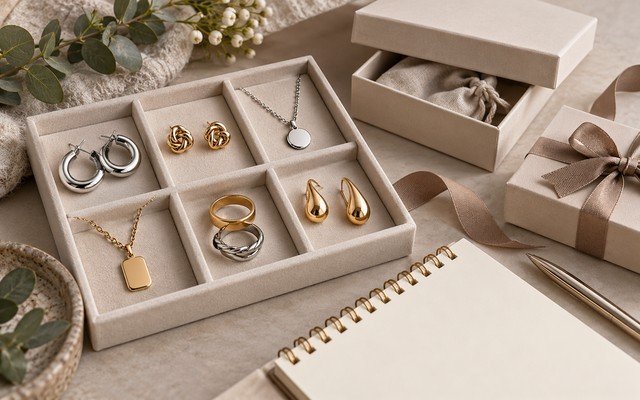
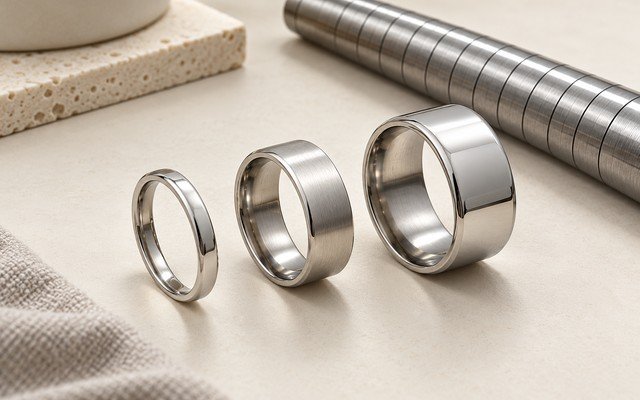
Images are editorial illustrations, including AI-generated concepts. They are not photographs of verified production, test results or approved customer samples.
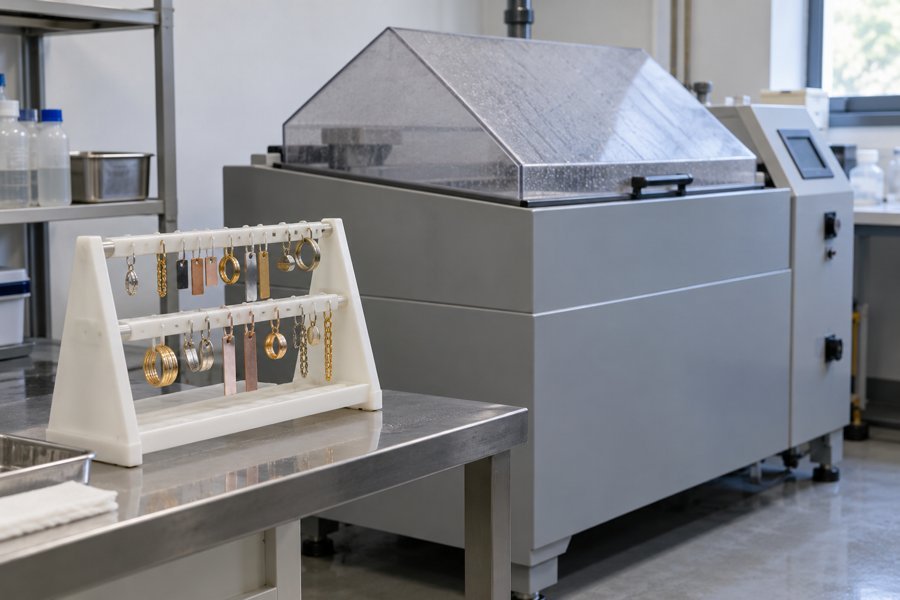
Review exposure and retained contamination
Ask practical questions about use and storage. Was the item worn during swimming, stored wet, exposed to cleaning products or kept in contact with another material? Were several items affected in the same package, or only one customer's piece after extended wear?
This information is needed to understand the event, not to assign blame. A buyer should still evaluate whether the product description and care information match the intended use. If the marketing promises unrestricted exposure while the supplied construction needs specific care, that mismatch deserves attention.
Review areas that can retain liquid or deposits. A small gap at an assembly point may remain damp longer than the open surface beside it. The coating, adhesive or decorative insert can also affect which examination or cleaning method is suitable.
Investigate transferred iron and surface history
Contamination from unsuitable tools or contact surfaces can create staining that is not the same as corrosion of the bulk stainless steel. BSSA's cleaning guidance explains why rust-colored marks require investigation rather than an immediate conclusion about the grade.
Ask the manufacturer to review the relevant fabrication and handling steps. Were dedicated tools and suitable storage surfaces used? Did the item contact steel dust or debris after finishing? Is there a record of the surface treatment and final cleaning sequence?
If alloy identity is in question, use appropriate material records or testing. A magnet response or the color of a stain does not independently identify a stainless steel grade. Keep composition questions separate from surface contamination questions so each can be answered with suitable evidence.
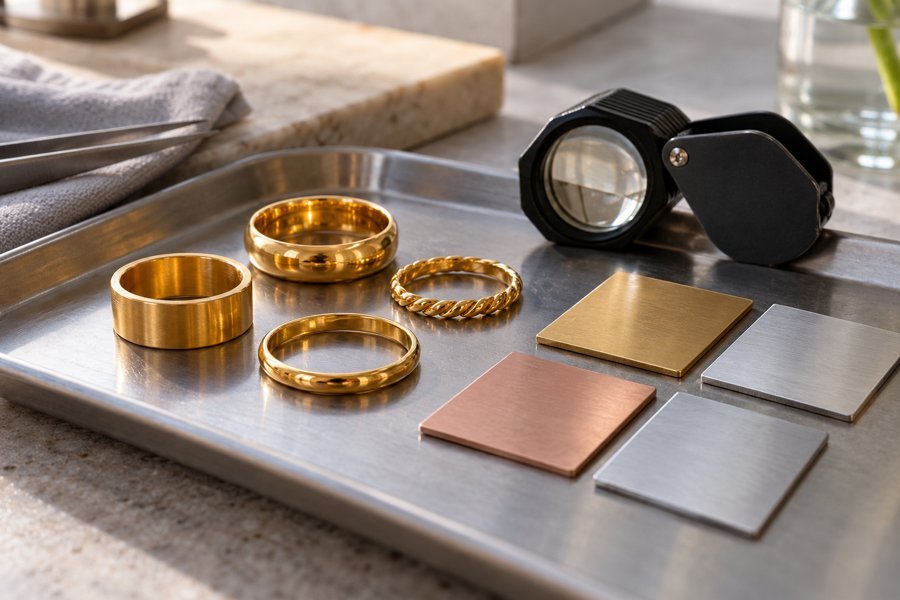
Choose a controlled examination before a remedy
Begin with the least disruptive assessment that can answer the question. Photograph the original condition, identify the finish and consult the supplier or a competent specialist about a suitable cleaning trial. Record the method and what changed afterward.
Do not apply a construction-site cleaning recipe directly to a finished piece containing coatings, stones or adhesives. Strong chemicals, abrasives or unsuitable tools may alter the product and erase evidence. ASSDA specifically warns against hydrochloric acid on stainless steel in its broader corrosion guidance.
Possible investigation outcomes include a removable deposit, a material-interface concern, a finishing issue or a need for further analysis. If pitting, loss of section or a functional problem is present, do not dismiss it as merely cosmetic because the initial customer description was tea staining.
Turn findings into purchasing controls
Close the review with actions matched to the evidence. A contamination finding may lead to handling changes; retained moisture may require a packaging or design review; a coating issue needs its own process investigation. A generic extra salt-spray requirement may not address the cause.
Update care wording only after checking the intended use and actual construction. Keep repeat-order references, affected lot information and the investigation result together. If the cause remains uncertain, document that uncertainty and define the next review rather than inventing a reassuring explanation.
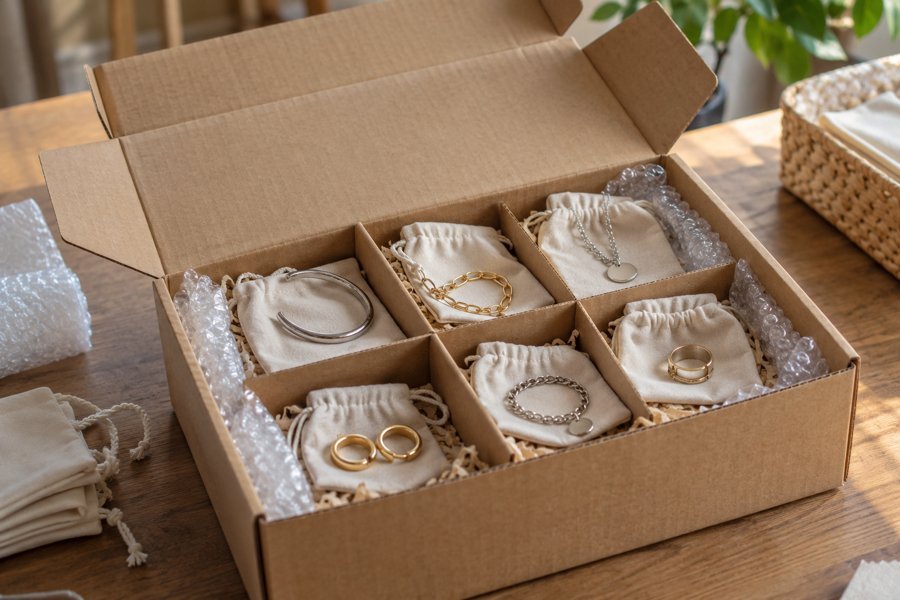
Tea-staining investigation: observation versus possible cause
| Observation | Possible explanation to test | Practical check |
|---|---|---|
| Brown surface film | External residue or contamination | Photograph before any controlled cleaning |
| Localized marks near working contact | Transferred iron or surface damage | Review tooling and manufacturing history |
| Marks after chloride exposure | Corrosion-related mechanisms under actual exposure conditions | Review alloy, finish and environmental history |
| Discoloration on coated areas | Coating wear or chemical interaction | Examine coating and substrate separately |
Illustrative quality review
A returned pendant develops small brown spots after repeated seaside wear. A buyer should not conclude from a photograph alone that the alloy is wrong. Preserve the item, collect use and cleaning history, and compare the affected surface with an approved reference under an agreed assessment procedure.
FAQ
Does a brown mark prove the jewelry is not stainless steel?
No. Several deposits and surface conditions can create brown marks. Record the evidence and use suitable material or surface assessment before deciding the cause.
Will a higher salt-spray result prevent every customer complaint?
No single exposure result answers every real-use question. Match the test to the suspected mechanism, construction and intended environment, and avoid converting test hours into a guaranteed wearing life.
Can we promise that 316L will never stain?
An unlimited claim is not justified by a grade name alone. Material selection, surface condition, assembly, exposure and care all need to be considered when describing the finished product.
Editorial review and buyer-use limitations
This article is published by Yleryler for wholesale stainless steel jewelry sourcing and OEM/ODM specification review. The practical examples are illustrative, not verified customer orders, product certificates or legal advice. Buyers should verify material, technical claims and market-specific requirements against their actual approved specifications and the authoritative sources linked below. No individual professional qualification or independent third-party review is claimed.
Sources and further reading
These references support the material, regulatory or buying principles discussed above. Product-specific purchasing recommendations are practical guidance; an industry reference does not certify a supplied item. Sources reviewed on October 22, 2026.
- ASSDA: preventing coastal corrosion and tea staining
- worldstainless: understanding tea staining
- BSSA: stainless steel cleaning and staining
Related buying guides and product options
For the next purchasing step, read What Should a Stainless Steel Jewelry Care Card Say? and Why Salt Spray Hours Do Not Predict Jewelry Coating Lifetime. Explore our stainless steel necklace pendant collection and contact Yleryler for an OEM/ODM sourcing review. Include your product type or drawings, estimated quantity, stainless steel grade and finish, destination market, required evidence or testing, preferred delivery terms and target date. We can then clarify the quotation scope and product-specific approval criteria. Material grade, process, evidence, MOQ, pricing and delivery are confirmed for the actual quotation and approved specification.