A chain can look substantial while its clasp is awkward to open or poorly matched to the connecting ring. Buyers often spend considerable time choosing the link pattern and very little time specifying the closure. For a necklace or bracelet program, that small component deserves its own review.
Choose stainless steel chain clasps as part of the complete assembly. Confirm handling, opening clearance, end-ring compatibility, finished length and the agreed function checks. A clasp name or catalog photograph is not a performance specification.
This guide compares four jewelry clasp types for wholesale purchasing: lobster, spring ring, toggle and box clasps. Necklace clasp types should suit fastening behind the neck, while bracelet clasp selection must consider one-handed handling and movement. Use the comparison and sample checks below to define your brief.
Who will operate the closure, and how?
A necklace clasp is commonly handled behind the neck; a bracelet may be fastened with one hand. Those situations place different demands on access and dexterity. Consider the intended customers and ask them to review representative samples where appropriate.
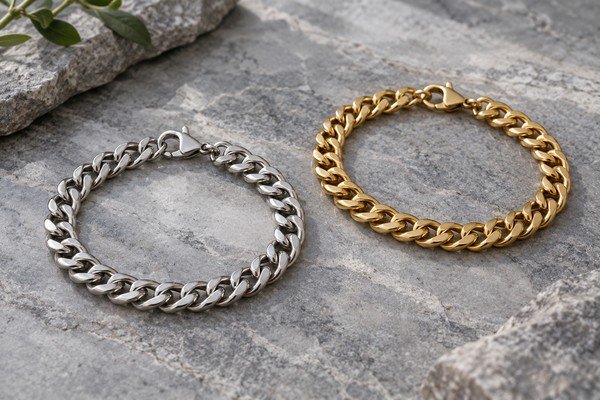
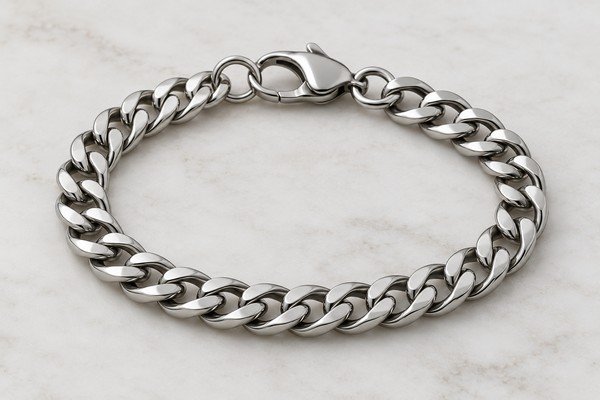
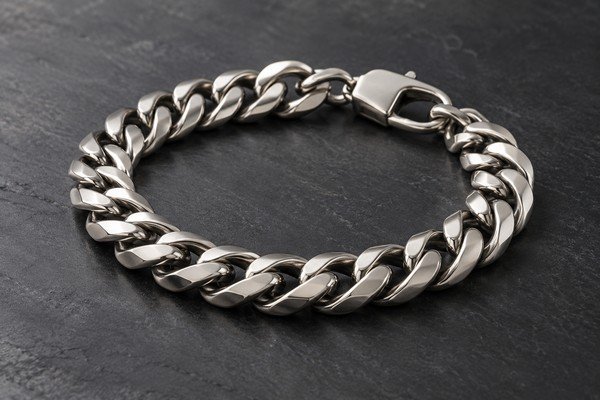
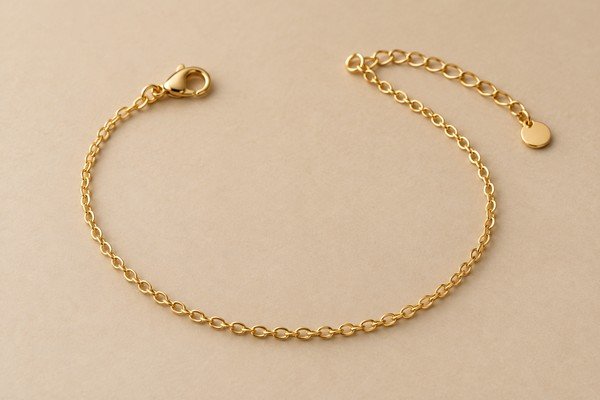
Use Women’s Gold Stainless Steel Cable Chain Necklace or Men’s Stainless Steel Cuban Link Necklace as chain sourcing starting points, then confirm the actual clasp and end-ring construction on the selected sample; the chain name alone does not specify the closure.
Larger does not automatically mean easier. A bulky clasp can look unbalanced on a fine chain, while a small trigger may be difficult to use even if the clasp body is large. Review the accessible opening and the movement needed to attach the other end.
For measurement background, see NIST guidance on metrological traceability. Record clasp and end-ring dimensions alongside a functional trial of the finished assembly.
Avoid treating a supplier’s “standard clasp” as a final selection. Request the component reference and a sample fitted to the actual chain.
Does the clasp fit the rest of the assembly?
Check the receiving ring, chain end, connecting ring and any extender together. The clasp must open far enough to engage the intended point without forcing or distorting the parts. The connection should also sit naturally when closed.
For a pendant necklace, confirm whether the pendant can pass over the chain end if it is intended to be removable. The widest end component, rather than the chain itself, may determine the required bail opening. Our pendant bail and chain fit guide explains how to review those parts together.
State whether the quoted finished length includes the clasp and extender. Buyers and suppliers can otherwise measure different endpoints and both believe their numbers are correct. Add a simple measurement sketch to the specification.
Which closure type suits the design brief?
The following table is a discussion guide, not a universal ranking.
| Clasp type | Typical use | Handling | Main risk | QC focus |
|---|---|---|---|---|
| Lobster clasp | Everyday necklaces and chain bracelets | A trigger opens the gate; one-handed use depends on trigger access and receiving-ring size. | A small trigger or narrow opening can make fastening difficult. | Check spring return, complete gate closure, opening clearance and end-ring fit. |
| Spring ring | Fine, lightweight necklace designs | A small lever retracts the gate; limited dexterity can make operation harder. | A small opening can be awkward to engage behind the neck. | Check lever movement, spring return, closed-gate alignment and ring compatibility. |
| Toggle | Decorative necklaces and bracelets | A bar passes through a ring; no spring trigger is required. | Slack or unsuitable bar-to-ring proportions can allow disengagement. | Review bar length, ring opening and retention on the complete assembly during intended movement. |
| Box clasp | Tennis bracelets and wider linked designs | A tongue inserts into a housing; release and secondary catches vary by design. | Misalignment, weak retention or an ineffective safety catch can compromise closure. | Check insertion, release, retention and each secondary catch across several samples. |
Review appearance, usability and retention separately. A closure selected for decorative effect still needs a clear function review. Do not substitute a different closure in bulk merely because the visible chain pattern remains unchanged.
What should a sample check cover?
Inspect the closure for rough edges, visible gaps and alignment. Operate it using the agreed procedure and note whether the movement changes. Compare several samples when assessing consistency rather than relying on one carefully selected piece.
Where load or repeated-operation testing is needed, agree the method, conditioning and acceptance criteria with the supplier or testing specialist. An informal hand pull can reveal an obvious problem, but it does not establish a documented strength rating.
Check the connecting rings and chain ends as well. Strong closure hardware cannot compensate for an unsuitable assembly elsewhere. Keep the complete tested configuration identifiable in the sample record.
For more assembled-product checks, see our tennis bracelet quality inspection checklist. Our OEM jewelry manufacturing guide covers defining the product before quotation, while the private label jewelry manufacturing guide provides context for a branded collection.
How does the finish affect the decision?
Review the clasp alongside the chain in the finished condition. Small purchased components may come from a different production source, and their shade or surface texture may differ from the main chain.
Record the approved material and finish for each component. If the supplier proposes a replacement part, ask what will change in appearance, function, lead time and cost. Approval of a chain should not become blanket approval for any clasp that fits.
What must stay controlled on repeat orders?
Keep the clasp reference, dimensions, connection method and finish in the product specification. Identify whether the supplier can replenish that component and what happens if it becomes unavailable.
Retain a complete sample rather than an isolated clasp. The relationship between the parts is the point of the review. When receiving a reorder, compare the assembly and verify the finished length before it enters stock.
My development view: the best closure is the one that works with the product and its wearer. A familiar component name is only the beginning of that decision.
Clasp assembly approval fields
Use these fields in your purchase order or sample review. Numerical values and IDs below are illustrative, not live product specifications, test results or confirmed commercial terms. Agree measurement methods, tolerances and acceptance criteria for your actual design.
| Field | Record or illustrative example | Verification before release |
|---|---|---|
| Clasp | Component ID, usable opening and finish | Check spring return or the intended locking action on actual sample |
| Receiving ring | Internal opening, wire thickness and orientation | Confirm access and full closure without interference |
| Complete chain | Finished length and chain/end-fitting IDs | Record normal handling and agreed performance checks on the assembly |
Quick buyer questions
How do I specify a stainless steel lobster clasp?
Record the component reference, body dimensions, usable gate opening, receiving-ring dimensions, material and finish. Approve it on the intended chain and confirm spring return and closed-gate alignment. Body length alone does not establish compatibility or strength.
Can I change the clasp after approving the chain?
Yes, but review the assembled sample again. Length, appearance, handling and connecting parts may all be affected.
Should every chain use the same clasp?
A shared component can simplify sourcing, but only where its scale and function suit each design.
Send Yleryler your chain and closure brief with link style, finished length, intended use and sample requirements.
Images are AI-generated design illustrations. Confirm actual products and specifications against approved samples.