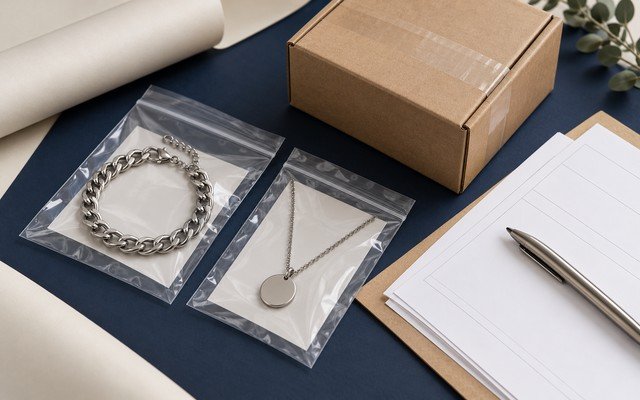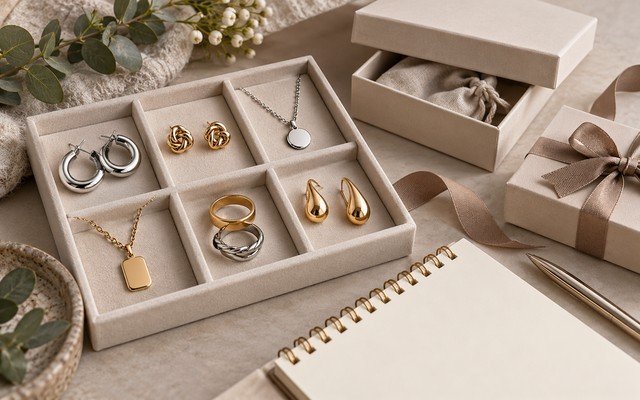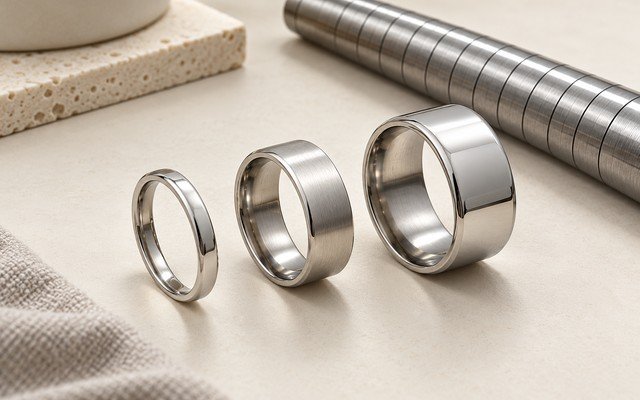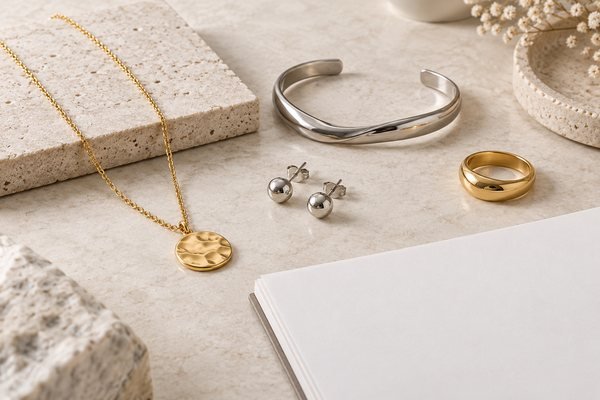
A retail buyer opens a catalogue with attractive photographs but cannot tell which code belongs to the silver variant, whether earrings are priced per pair or how long the necklace is. The buyer sends a long clarification email, and the opportunity slows before sample selection begins.
A wholesale jewelry line sheet should connect each sellable variant with its product code, accurate image, key dimensions, declared material and finish, sales unit and ordering information. Keep commercial data dated and qualified. Use a quotation reference when price or availability depends on the buyer’s order.
1. Give each sellable option a clear identity
Use a stable product code and distinguish color, size and packaging variants. Keep the product family name separate from the orderable variant code. Buyers should be able to copy a code directly into a sample request without asking which pictured option it means.
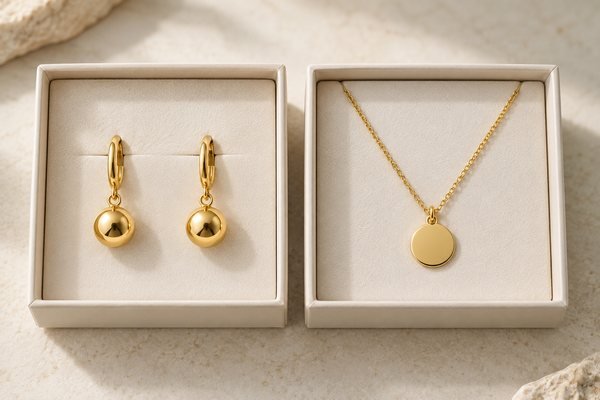
State the sales unit prominently. A pair of earrings, one necklace and a coordinated set are different units. Match the same definition in the quotation, packing list and invoice preparation so the buyer does not discover a unit mismatch after ordering.
2. Use images that correspond to the listed product
Choose a front image that represents the listed variant, then link useful side, reverse and closure views. Label development concepts or illustrative visuals clearly. Do not present a render as evidence of an available finished product.
When building a line sheet, use separate rows for products such as Stainless Steel Stud Earrings and Women’s Gold Stainless Steel Layered Necklace, with each product’s reference, sales unit and final specification.
For retail barcode requirements, consult GS1 GTIN guidance and record the relationship between the trade-item identifier and your line-sheet variant code.
Keep image filenames and references connected to the product revision. If the design changes, replace or label the affected image. A beautiful old photograph can become misleading when the chain, bail, back or finish differs from the current offer.
3. Include the specifications that drive selection
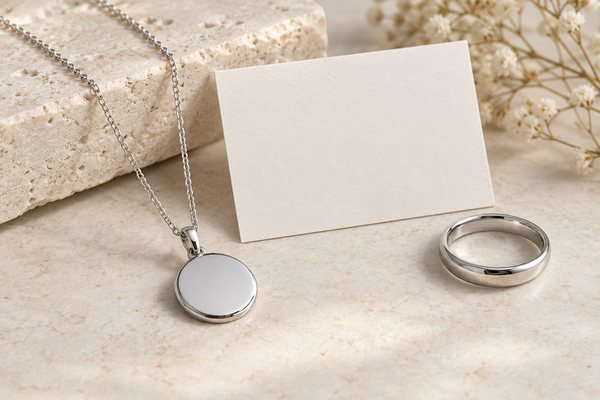
Record the dimensions relevant to the product: necklace length, pendant size, ring sizing reference or earring dimensions. Include declared material, finish and included components. Avoid a generic description that forces the buyer to request basic information for every style.
Separate supplier declarations from supporting documents. If a buyer requests material or test evidence, provide an appropriate document reference only after checking that it applies to the proposed item. A line sheet should not imply that unrelated reports cover every design.
4. Keep ordering data dated and qualified
Include MOQ or a clear quotation instruction, and explain how variants affect ordering quantities. Distinguish available stock from products requiring development or production. Add an update date because stock and commercial terms can change.
If prices depend on quantities, packaging or destination, reference a dated quotation rather than publishing an unexplained number. Where prices appear, define currency, sales unit, quantity basis and what is included. Lead-time statements should identify the starting milestone and remain subject to confirmation for the specific order.
5. Make the next buying step easy
Use the line-sheet template below to standardize the required fields. Add a sample-request instruction that asks for codes, quantities and the buyer’s destination. A useful line sheet supports a clear selection decision instead of trying to contain every technical detail.
Before sending it, have another person select two products using only the sheet. Check whether the request identifies the exact variants and sales units. Record unanswered questions and improve the fields that caused uncertainty, then keep the updated revision as the current reference.
Copyable buyer review template
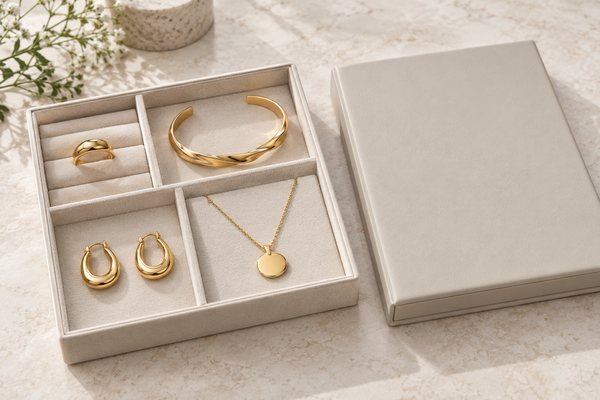
Copy these headings into your working spreadsheet. Add the product SKU, sample revision, date, reviewer, findings, responsible person and final decision. Example fields are planning aids; acceptance criteria must be agreed for your actual product.
| Line-sheet field | What to show | Buyer decision supported |
|---|---|---|
| Product identity | Family, variant code and current image | Select the correct item |
| Specification | Dimensions, declared material and finish | Assess collection fit |
| Sales unit | Piece, pair or complete set | Compare quantities/cost |
| Commercial reference | MOQ instruction, date and quote reference | Request samples/order |
Practical example — hypothetical
In a hypothetical wholesale enquiry, a retailer selects three earring styles but interprets one listing quantity as individual pieces rather than pairs. The supplier revises the line sheet to place the sales unit beside every code and updates the matching quotation. The retailer then submits a sample request using exact variant codes. This illustrates communication improvement, not a documented Yleryler sales result.
Line-sheet row example
Use these fields in your purchase order or sample review. Numerical values and IDs below are illustrative, not live product specifications, test results or confirmed commercial terms. Agree measurement methods, tolerances and acceptance criteria for your actual design.
| Field | Record or illustrative example | Verification before release |
|---|---|---|
| Variant | LS-N01-G / one necklace | Match the image, finish and sales unit to this exact code |
| Size | 45 cm base chain + 5 cm extender | State endpoints; record pendant dimensions separately |
| Commercial | MOQ, price basis, validity and sample availability | Confirm in a dated quotation rather than treating example terms as live offers |
Frequently asked questions
Is a line sheet the same as a catalogue?
A catalogue may focus on visual discovery, while a line sheet provides concise ordering and specification information. They can work together, but buyers should be able to identify exact sellable variants from the line sheet.
Must every wholesale line sheet show prices?
No. When pricing depends on order details, use a dated quotation reference or a clear request-for-quotation instruction. If prices are shown, state the unit, currency, quantity basis and included costs.
How often should a jewelry line sheet be updated?
Update it when product specifications, images, availability or commercial information change. Show the revision date and make the current version easy to identify so buyers do not order from outdated details.
Related buyer resources
product photo briefing · SKU and packing-list alignment · wholesale quote comparison
Discuss your wholesale project with Yleryler
Send Yleryler your selected product codes or reference images, required dimensions and finishes, quantities by variant, packaging needs and destination. Tell us which fields your retail purchasing team needs so the catalogue response and quotation support direct comparison.
Request a Product-Specific Wholesale Quote
Images are AI-generated product concepts for educational illustration, not photographs of actual Yleryler stock, tooling or customer orders. Dimensions and product performance must be reviewed using the actual approved sample.