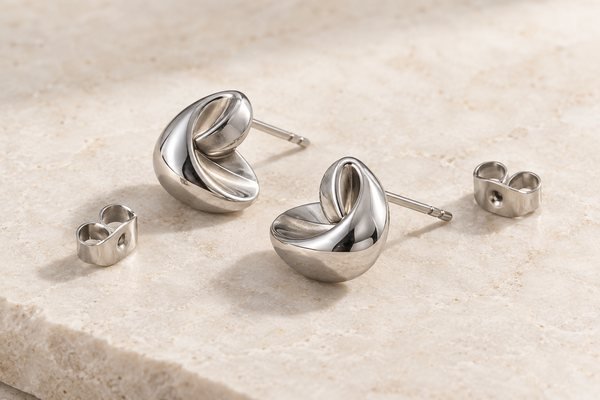
A stud earring order includes more than the visible front. The post, removable back and retail card must work together. A buyer may receive attractive earrings yet spend hours replacing backs, sorting mismatched pairs or correcting cards that hold the products poorly.
Wholesale stud earrings should be approved as complete pairs with their specified posts, backs and packaging. Review normal insertion and removal, alignment, contact surfaces, component quantities and display-card fit. Record each component reference so the factory does not substitute a visually similar back without approval.
1. Define the complete sales unit
State whether a sales unit is a pair, one earring or a set with spare backs. List the number of posts, backs and any protective accessories per unit. The same total piece count can describe very different sellable quantities.
Create component references for the earring front, post and back. If different styles share a backing component, confirm that the shared component has been reviewed on every relevant post. Similar appearance does not prove interchangeable fit.
Compare Stainless Steel Stud Earrings with Stainless Steel Screw Back Earrings when selecting a stud-earring construction. Verify the actual backing, usable post length and display-card fit for the selected SKU.
2. Review post geometry and alignment
Record post length, diameter and the relevant attachment location using the agreed measurement method. Check for visible misalignment, rough contact areas or interference from the decorative front. Compare samples with the approved drawing rather than judging against an unrelated retail product.
Review the finished assembly after its surface treatment. Record observations under normal handling without trying to straighten a questionable post. If a post is visibly bent, separate it and document the condition before the supplier assesses it.
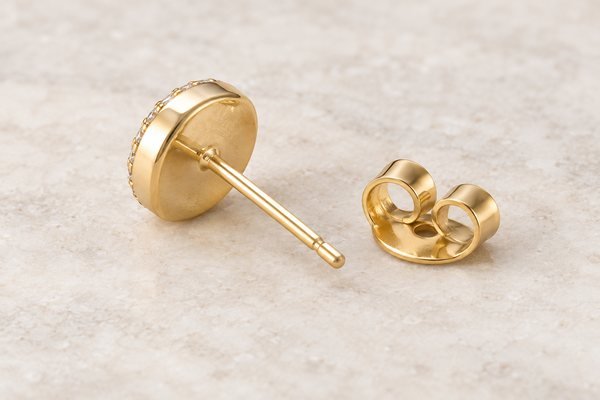
3. Match the back to the actual post
Use the specified back on the actual post to assess normal insertion, seating and removal. Note inconsistent engagement or movement between samples. Do not prescribe a universal retention force without knowing the construction, intended use and agreed test method.
If repeatable retention testing is required, confirm the fixture, movement, measurement and acceptance limits before production. Record whether the test is destructive or changes the component. A hand trial can identify practical handling concerns but is not a calibrated retention result.
For background on measured results, consult NIST guidance on metrological traceability. Agree the post-and-back test setup before treating a retention measurement as acceptance evidence.
4. Test the retail card as part of the assembly
Mount a complete pair on the proposed card. Check hole spacing, front orientation, available space behind the card and whether the backs remain accessible. Verify that thick cards or inserts do not consume the usable post length.
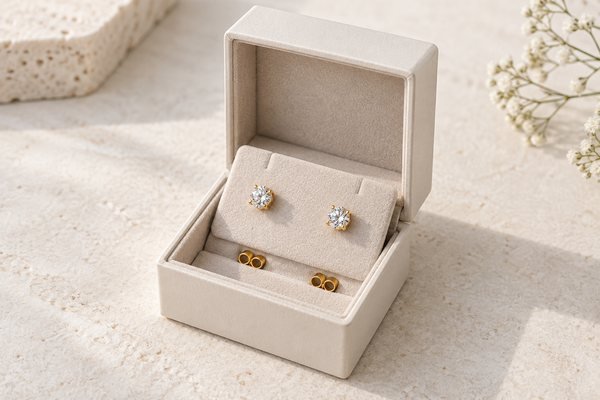
Pack the mounted pair using the proposed pouch or box, then unpack it. Look for pressed posts, rotated fronts, detached backs or damaged print. Confirm the packing sequence in photographs so the approved arrangement can be repeated by the packing team.
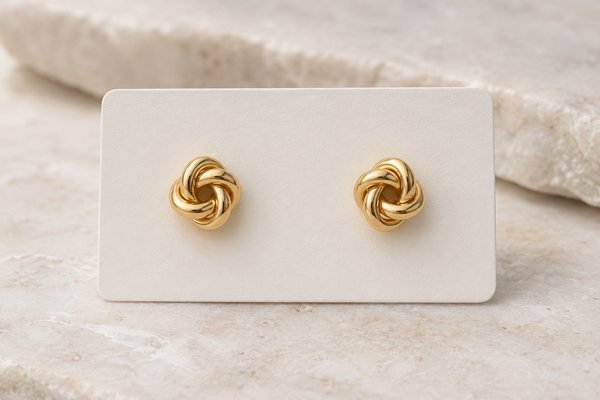
5. Freeze component identity before bulk ordering
Use the review table below to create one record per earring style and packaging variant. Add the component supplier reference where available, sample revision and approval owner. Record any permitted substitutions explicitly rather than leaving them to production judgment.
At receiving, count complete pairs and their backs, not only the visible fronts. If replacement components are needed, keep them linked to the corresponding SKU. Carry confirmed revisions into the reorder record so a later batch does not reintroduce the original mismatch.
Copyable buyer review template
Copy these headings into your working spreadsheet. Add the product SKU, sample revision, date, reviewer, findings, responsible person and final decision. Example fields are planning aids; acceptance criteria must be agreed for your actual product.
| Record item | Buyer entry | Acceptance reference |
|---|---|---|
| Sales unit | Pair, single or set; accessories included | Purchase order |
| Post | Length, diameter and alignment | Approved drawing/sample |
| Back | Component ID and normal engagement | Approved assembly |
| Retail card | Thickness, holes and rear clearance | Approved pack-out |
Practical example — hypothetical
A hypothetical retailer tests a stud pair successfully without packaging. On a thicker display card, the back sits differently because less post length remains exposed. The buyer records the card thickness and photographs the mounted pair, then requests a revised card or suitable post-and-back arrangement. The team approves the final packed assembly before ordering. This is an illustrative scenario, not a documented Yleryler result.
Stud earring component matrix
Use these fields in your purchase order or sample review. Numerical values and IDs below are illustrative, not live product specifications, test results or confirmed commercial terms. Agree measurement methods, tolerances and acceptance criteria for your actual design.
| Field | Record or illustrative example | Verification before release |
|---|---|---|
| Sales unit | 1 pair = 2 earrings + 2 approved backs | State spare backs separately in the quotation and packing list |
| Post and back | Named post / named backing / sample B | Measure post length and diameter; review engagement on the actual pairing |
| Retail card | Card revision C / hole and spacing drawing | Check insertion, reverse clearance and retention in the complete packed unit |
Frequently asked questions
Are earring backs interchangeable across all studs?
No. Match backs to the specified post geometry and verify the actual assembly. Keep approved component references in the order record and review substitutions before production.
Should spare backs be included in wholesale orders?
That is a commercial and packaging choice. State the quantity and component reference clearly if spares are required. Keep their cost, packing and sales-unit definition visible in the quotation.
What is the best way to inspect post security?
Agree a product-specific method with the supplier. Normal handling checks can reveal obvious concerns, while measured attachment or retention testing requires a defined setup and acceptance criteria. Do not treat an improvised pull as a standardized test.
Related buyer resources
earring weight and support · SKU and packing-list control · sample approval
Discuss your wholesale project with Yleryler
Send Yleryler your stud designs, post requirements, preferred back reference, pair quantities, finish and retail-card dimensions. Include spare-back requirements and your delivery target so we can quote the complete sellable assembly.
Request a Product-Specific Wholesale Quote
Images are AI-generated product concepts for educational illustration, not photographs of actual Yleryler stock, tooling or customer orders. Dimensions and product performance must be reviewed using the actual approved sample.